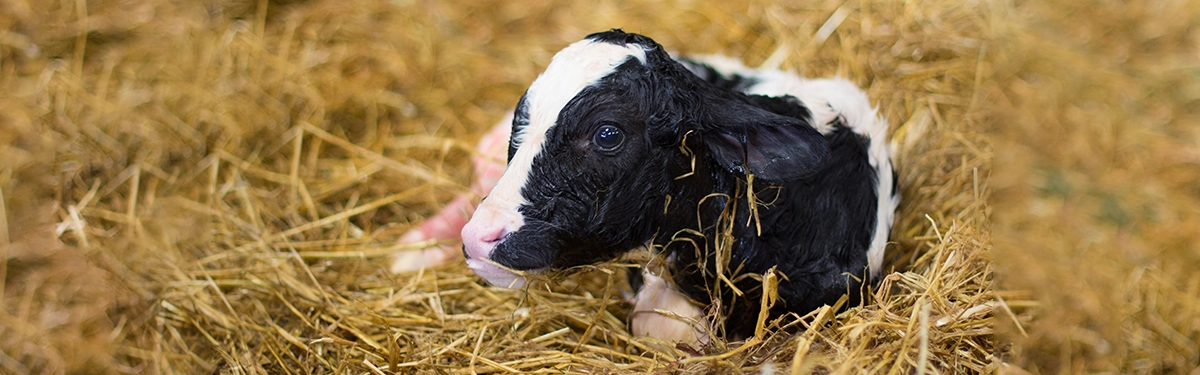
The first hour after birth — often called the Golden Hour, is the most critical period in a calf’s life. Decisions made during this short window influence lifetime health, growth, and productivity.
The Navel
Before birth, the umbilical cord is the lifeline that delivers essential nutrients from the mother to the developing calf. After birth, however, the navel becomes one of the calf’s greatest vulnerabilities. It acts as an entry point for bacteria and pathogens present in the environment, which can quickly invade the bloodstream and spread throughout the body.
Newborn calves are particularly at risk because they are born without a fully developed immune system. Their initial defense relies entirely on antibodies obtained from colostrum, the first milk from the mother, until their own immune system begins to develop at around 3/4 weeks of age.
To prevent navel ill, two key factors must be prioritized:
- Reducing the risk of navel infection through strict hygiene practices.
- Ensuring adequate colostrum intake to provide the antibodies needed to fight infection.
In short, hygiene and colostrum management are critical to calf health.
One area often underestimated is the risk of infection during calf transport. Moving a newborn from the calving pen to its individual pen may seem straightforward, but without proper hygiene and navel care, this step can quickly become a pathway for disease.
At Specialist Nutrition, we help farmers strengthen every link in the chain of calf care, from clean calving environments to hygienic transport — ensuring newborns get the best possible start.
Why Transport Hygiene Matters
After birth, a calf’s immune defences are still developing. Even after receiving high-quality colostrum and having its navel disinfected, the navel remains an open entry point for bacteria. Any contamination during or after transport can lead to navel ill, joint infections or more severe systemic illness.
Manually carrying calves, particularly during busy calving periods can increase the risk of transferring pathogens between pens. Muddy floors, contaminated clothing or damp bedding all provide opportunities for infection to spread.
This is where proper use of a calf barrow, a simple but essential piece of equipment, makes all the difference.
The Calf Barrow: Reducing Stress and Infection Risk
A calf barrow (also known as a calf trolley or barrel) allows farmers to transport calves quickly and safely without physical strain. However, it can just as easily become a hidden infection source if hygiene is neglected.
To minimise infection risk:
- Disinfect the barrow after every use, even when only moving a short distance.
- Focus on problem areas — seams, handles and mats where dirt and bedding gather.
- Keep it dry between uses; moisture encourages bacterial growth.
- Avoid hand carrying through dirty or wet areas.
- Treat the barrow as you would any feeding equipment — clean, sanitised and ready before each use.
A clean barrow ensures that the freshly dipped navel stays protected, maintaining the barrier against bacteria that cause early calf infections.
Navel Care: The Critical Control Point
Navel or joint ill occurs when infection enters the calf through the navel cord. Prevention relies on good farm hygiene and calf care practices that support immunity, especially at and immediately after birth. During the first week of life, check the navel for signs such as excessive bleeding, pain, swelling, foul odor, or pus and treat as advised by your veterinarian.
If navel ill persists despite regular cord dressing, consider adjusting your approach, for example, switch from iodine to chlorhexidine, use a dedicated navel dip or dip rather than spray. If problems continue, discontinue cord dressing altogether and focus on improving calf immunity and calving hygiene.
To protect the navel and minimise infection risk:
- Disinfect the navel thoroughly before transport.
- Use a clean, dry, disinfected calf barrow for moving.
- Place the calf in a freshly bedded, draught-free pen.
- Recheck navels daily for swelling, discharge or heat.
This level of care prevents systemic infections and supports stronger, healthier calves during those crucial early days.
Golden Hour Hygiene Protocol
To prevent contamination and infection from the start, follow this five-step routine:
- Assess calf vitality immediately after birth.
- Disinfect the navel using iodine or chlorhexidine.
- Feed 3 litres of colostrum within two hours of birth.
- Transport using a disinfected calf barrow, not by hand.
- House the calf in a clean, dry, individual pen with fresh straw.
Every step supports the next — a clean, controlled process that protects the newborn’s developing immune system and promotes a healthy start.
Partnering with Specialist Nutrition
Good hygiene and nutrition go hand in hand. Specialist Nutrition’s on-farm support helps farmers refine both, from colostrum management and mineral supplementation to calf rearing hygiene and housing advice.
We work directly with farmers to help them safeguard calf health, enhance early growth, and reduce the risk of infection during those vital first hours and days.
Contact our team today to speak with one of our nutritionists about improving calf performance and supporting herd health through tailored on-farm nutrition advice.