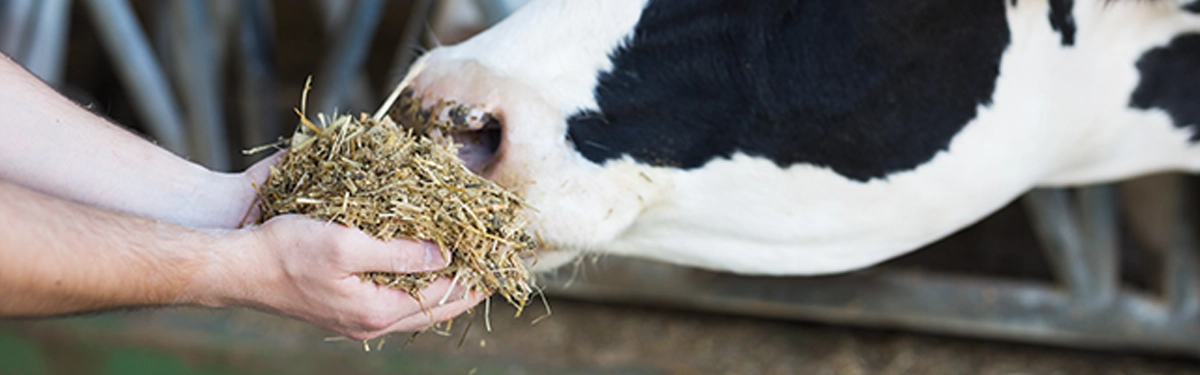
Dry cows often receive less attention than milking cows, but this stage is one of the most critical for herd health and productivity. The dry period sets the foundation for the next lactation and poor management here can lead to costly health issues and reduced milk yield. During this time, cows undergo significant metabolic changes that influence calving success and early lactation performance. Suboptimal nutrition during the dry period can lead to cascading issues post calving, including:
- Reduced feed intake
- Excessive body condition loss
- Lower peak milk yield
- Metabolic disorders (ketosis, milk fever)
- Reproductive challenges
The financial consequences are substantial:
- Ketosis: €155 per case
- Mastitis: €208 per case
- Reduced fertility: €390 per case
Hidden conditions like fatty liver often go undetected yet significantly depress milk yield and increase health costs. Improving transition nutrition is therefore a high-return investment. Focusing on three key areas will pay dividends in herd health and profitability.
- Management
- Body condition
- Mineral nutrition
Why Management Matters
The primary goal during the dry period is to maintain body condition and support feed intake. As calving approaches, rumen capacity decreases due to the growing calf and fluids, which can reduce appetite by up to 30%. This makes it essential to provide adequate feed space and a stress-free environment to encourage intakes.
Competition for feed or poor housing conditions can lead to reduced intake, negative energy balance and increased risk of metabolic disorders. Comfortable cubicles, good flooring and enough space for natural behaviour all help cows transition smoothly.
A poor transition from the dry period to lactation can result in a loss of 4.5–9 kg of peak milk yield in the next lactation. That’s a significant hit to productivity and profitability, so attention during this stage is critical.
Nutrition and Mineral Balance
Dry cows have higher requirements for vitamins and minerals than lactating cows. These nutrients play a vital role in preventing metabolic disorders and supporting calf development.
- Vitamin D3 and Magnesium: These are essential for calcium regulation and milk fever prevention. Vitamin D3 should be activated about six weeks before calving, so supplementation early in the dry period is crucial.
- Trace Elements: Copper, zinc, manganese and iodine are all important. Zinc and Vitamin E help boost immunity, while iodine supports thyroid function and calf survival. Forage is naturally low in iodine, so supplementation is necessary.
- Macro minerals: Calcium, magnesium, sodium and phosphorus must be kept in balance to reduce milk fever risk.
One of the biggest challenges in Ireland is potassium rich silage, which suppresses magnesium absorption and increases milk fever risk. This is common in silages made from young leafy grass or heavily slurry-treated fields. Solutions include diluting diets with straw, increasing magnesium supplementation or using DCAB salts. If milk fever has been an issue or if your silage is high in potassium work with your nutritionist to tailor the diet.
Body Condition: Fit, Not Fat
Body condition scoring (BCS) is a simple but powerful tool for dry cow management. Aim for cows to be around BCS 3 at drying off and maintain that through calving.
Over-conditioned cows are at risk of fatty liver, ketosis and milk fever, while thin cows struggle with milk production and energy balance. Regular scoring helps avoid costly metabolic disorders and ensures cows are “fit, not fat” for calving.
The Bigger Picture
The dry period isn’t downtime it’s a strategic investment in herd health and profitability. Every decision during this stage affects calving ease, milk yield and overall herd performance. By prioritizing management, nutrition and body condition, you set your cows and your business up for success.
Talk to your nutrition advisor today to review your dry cow strategy. A few small changes now can make a big difference to herd health, milk yield and profitability in the next lactation. Don’t wait, be proactive and invest in your dry cows.