Successful calf rearing is about more than individual tasks like feeding or housing. It requires a structured calf rearing program where nutrition, hygiene, consistency and monitoring are aligned from birth through to weaning. When these elements work together, calves grow more efficiently, stay healthier and deliver stronger lifetime performance.
On Irish farms, particularly within block-calving systems, early decisions carry long-term consequences. There is little opportunity to recover lost growth later, which makes the early rearing phase one of the most influential periods in the animal’s life.
This guide outlines the core principles of calf rearing and how they fit together, helping farmers assess whether their current calf rearing program is supporting calves to reach their full potential.
What Is a Calf Rearing Program?
A calf rearing program is the framework that governs how calves are managed from birth to weaning. Rather than focusing on isolated tasks, it brings together all the key stages of early-life management into one consistent system.
A well-designed calf rearing program typically includes:
- early-life immunity support
- consistent milk feeding routines
- access to clean water and starter feed
- hygienic housing and equipment
- growth monitoring and clear weaning targets
Each of these elements influences the others. Weakness in one area often undermines performance elsewhere, even if other aspects are well managed.
Early-Life Foundations: Immunity and First Feeding
The first hours of a calf’s life set the trajectory for health and growth. Establishing immunity early reduces disease pressure and supports feed efficiency during the rearing phase.
While farms may differ in how they deliver first feeds, the objective remains the same: ensuring calves receive adequate, clean, high-quality early nutrition as quickly and calmly as possible. Consistency in hygiene, timing and temperature plays a far greater role than the specific feeding method used.
👉 Read more: Colostrum Feeding, Hygiene and Temperature Guide
Milk Feeding Systems and Daily Consistency
Milk feeding is one of the most visible parts of calf rearing, yet performance issues often stem from small inconsistencies rather than feed choice alone. Variations in milk concentration, temperature or delivery can disrupt digestion and growth without obvious warning signs.
Both manual and automatic feeding systems can work effectively when managed correctly. The key is ensuring that whatever system is used delivers the same feed, at the same concentration and temperature, every day.
👉 Read more: Automatic Calf Feeder Management
Water, Starter Feed and Rumen Development
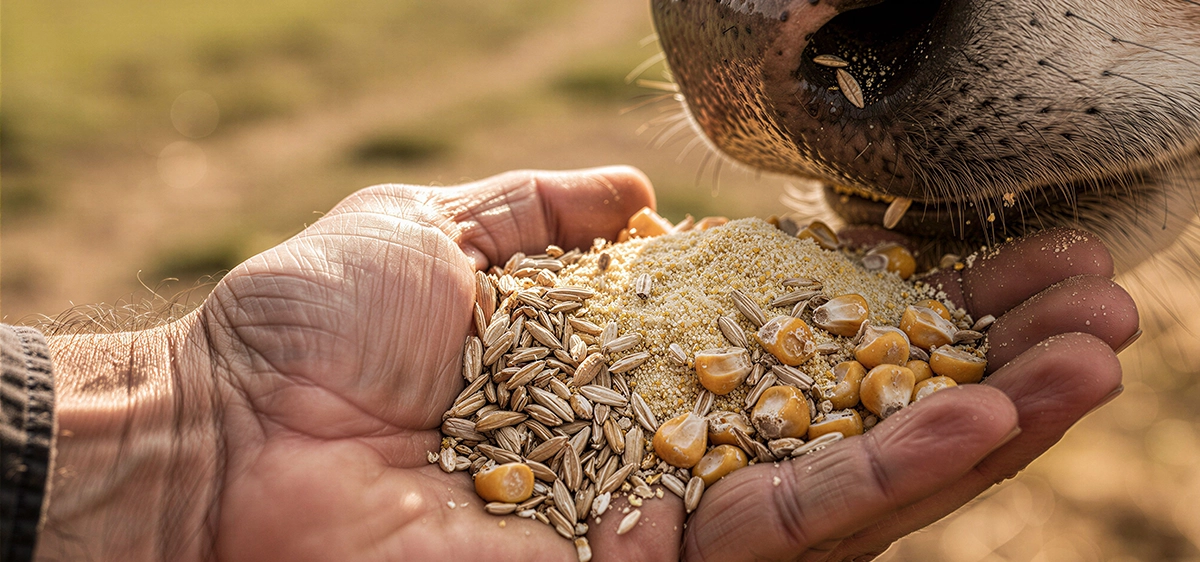
Access to clean, fresh water from an early age is essential for rumen development. Water intake supports starter feed consumption, which in turn drives rumen maturation and prepares calves for weaning.
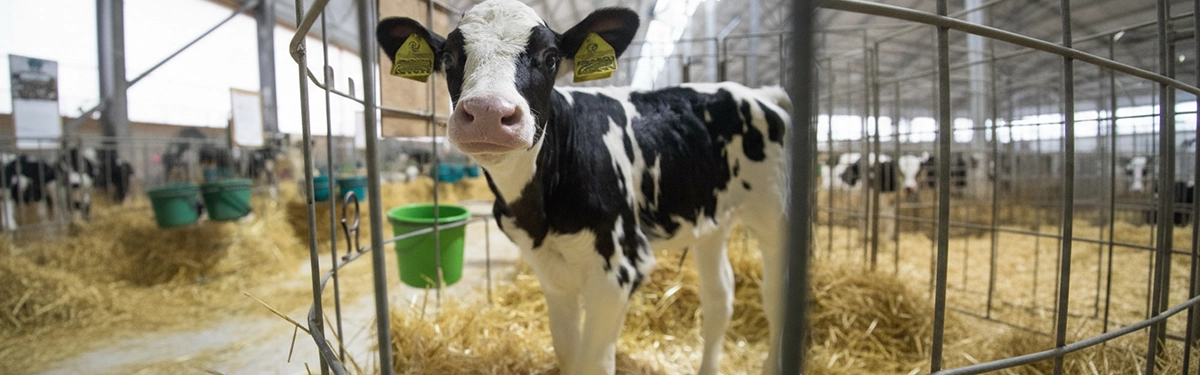
A strong calf rearing program ensures calves have continuous access to palatable starter feed and dry lying areas, encouraging early intake and reducing setbacks during the transition away from milk.
👉 Read more:Hygiene, Comfort and Early Nutrition in Individual Pens
Setting Growth Targets, Monitoring Progress and Weaning Calves Successfully
Clear targets are essential in any calf rearing program. The primary goal during the rearing phase is to double birth weight by weaning, indicating that calves are converting nutrition efficiently.
Weighing calves at birth and again at weaning allows average daily gain to be calculated. Intermediate weighing at four to five weeks of age provides an early checkpoint, helping identify underperformance before it becomes difficult to correct.
Monitoring growth removes guesswork and allows management decisions to be based on data rather than appearance alone.
Weaning is a critical transition point and should be based on readiness rather than age alone. Calves that are consistently consuming sufficient dry matter cope far better with milk removal and maintain growth momentum.
A structured calf rearing program focuses on gradual change, minimising stress and supporting intake during this transition.
👉 Read more:Calf Weighing, Growth Targets and Weaning
Stockmanship: The Constant That Makes Systems Work
Technology and systems can improve efficiency, but they do not replace observation and stockmanship. When new equipment or automated systems are introduced, it is common to see calf performance dip initially if attention to detail slips.
The strongest calf rearing programs are built on routine checks, attention to behaviour and early intervention when something is not right. Consistency in people and processes is just as important as consistency in feed.
Reviewing and Improving Your Calf Rearing Program
No two farms operate under identical conditions. Housing, labour availability, calving patterns and water supply all influence how a calf rearing program should be structured.
Regularly reviewing performance, growth rates and health outcomes helps identify opportunities for improvement and ensures calves remain on track during their most vulnerable stage of life.
If you would like support reviewing your calf rearing program or want practical, on-farm advice tailored to your system, contact the Specialist Nutrition team today. Our nutritionists work closely with Irish farmers to help build calf rearing programmes that deliver consistent, long-term results.