Ketosis is one of the most common and costly metabolic disorders affecting dairy herds, particularly during the transition and early lactation period. Because energy demands rise rapidly at calving, many cows struggle to match those demands with sufficient feed intake. When energy intake falls short, the cow begins to mobilise body fat to compensate, leading to the accumulation of ketone bodies in the blood — a condition known as ketosis.
From an Irish dairy perspective, managing ketosis effectively is essential not just for animal health, but also for productivity and farm profitability.
What Is Ketosis?
Ketosis is a metabolic disorder that occurs when a cow’s energy needs exceed energy intake. Cows entering early lactation require significantly more energy for milk production, but feed intake often lags behind, especially in the first few weeks after calving. As a result, the body uses fat stores to supply energy, and the liver produces ketone bodies as a by‑product. High levels of ketones in the bloodstream are toxic and interfere with normal metabolism.
Why Ketosis Happens
The underlying cause of ketosis in dairy cows is negative energy balance (NEB) — a state in which energy requirements exceed the amount of energy cows obtain from feed. This energy gap is most often seen:
- In the transition period (late pregnancy to early lactation), when energy demands increase sharply.
- When cows have a high body condition score at calving and mobilise excessive fat stores.
- When dry matter intake (DMI) is limited due to diet, housing, competition at the feed bunk or health challenges.
When glucose (the primary energy source) is scarce, the liver breaks down body fat into non‑esterified fatty acids (NEFAs) and ketone bodies accumulate. If this process continues unchecked, ketosis develops.
Recognising Ketosis: Signs and Consequences
Ketosis may present as either clinical (visible) or subclinical (not visibly obvious). Subclinical ketosis is particularly problematic because cows can still suffer reduced performance without obvious outward signs.
Common symptoms include:
- Reduced appetite and feed intake
- Dropped milk yield shortly after calving
- Rapid loss of body condition
- Lethargy and weakness
- Sweet or fruity odour on the breath (acetone)
- Changes in manure consistency or digestion irregularities
Even subclinical ketosis has measurable and serious consequences for herd performance. A large meta-analysis showed that cows with subclinical ketosis are over three times more likely to develop a displaced abomasum and more than five times more likely to progress to clinical ketosis. Increased risks were also identified for early culling or death, metritis, retained placenta, mastitis, lameness and elevated somatic cell counts, all of which directly undermine fertility, longevity and overall productivity (Raboisson et al., 2014).
Prevention: Nutrition and Management
Prevention of ketosis is far more effective than treatment. Because the core issue is energy imbalance, strategies that improve energy intake and utilisation are central to managing risk.
Balanced Diet and Energy Supply
Providing a well‑balanced diet with adequate energy, including digestible carbohydrates, fats and proteins, helps ensure cows meet their energy needs. Improving rumen function and increasing palatability are also key to supporting dry matter intake.
Body Condition Management
Cows that are over‑conditioned (too fat) at calving are more likely to mobilise excess fat and enter ketosis. Ideal body condition reduces metabolic stress and improves resilience during the energy‑demanding early lactation period.
Smooth Dietary Transitions
Gradual increases in dietary energy before calving can help the rumen adapt and prepare for the demands of lactation. Ensuring feed is always fresh, palatable and easily accessible encourages consistent intake.
Stacking Energy Post‑Calving: The Role of Dietary Sugar
One nutrition strategy to help close the energy gap is the inclusion of rapidly available energy sources. Research shows that the negative energy balance leading to ketosis is fundamentally driven by insufficient delivery of glucose precursors.
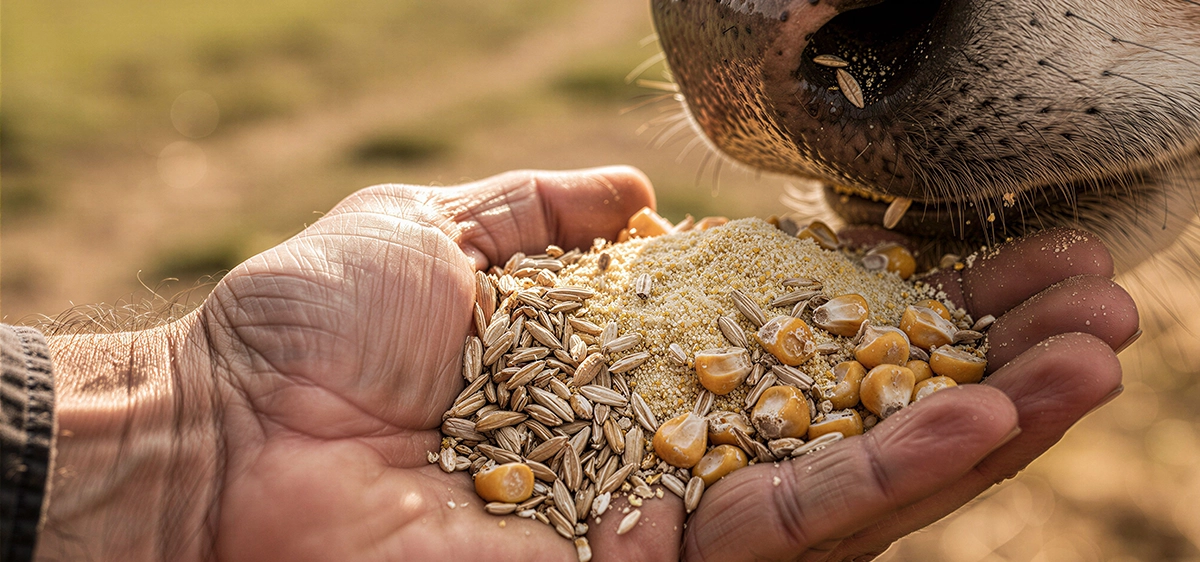
The introduction of granulated sugar into the diet can provide fast‑available energy that complements starch and other carbohydrate sources. Specialist Nutrition Gran Sugar can enhance:
- Intake and palatability — encouraging dry matter consumption when appetite may lag
- Energy density — supplying soluble carbohydrates that support glucose synthesis
- Rumen fermentation — aiding fibre digestion and passage rate for improved nutrient utilisation
By assisting in meeting early lactation energy needs, sugar helps reduce the likelihood of cows entering a prolonged negative energy state and developing ketosis.
Monitoring and Early Detection
Routine monitoring of cows during the transition period is essential. Tools such as blood or milk ketone testing can detect subclinical ketosis before production losses become apparent. Regular evaluation of body condition scores, feed intake patterns and milk yield trends will also help identify at‑risk animals early.
Integration with On‑Farm Feeding Plans
Effective ketosis prevention is not a single intervention but part of a holistic herd nutrition strategy. Working with a nutrition adviser can ensure diets are formulated to provide a consistent energy supply, considering changes in forage quality, lactation stage and herd dynamics.
Supporting Cows Through Ketosis Risk
Ketosis remains a major challenge for dairy herds, particularly in early lactation when energy demand is at its highest. Early identification, correct nutritional management during the dry period, and targeted support after calving are key to reducing both clinical and sub-clinical cases and protecting milk yield, fertility and overall cow health.
If you would like tailored advice on managing ketosis risk in your herd, including diet formulation, transition cow nutrition or suitable supplementation, contact Specialist Nutrition today. Our team works closely with farmers to develop practical, cost-effective feeding strategies that support cow performance through the transition period and beyond.
Frequently Asked Questions About Ketosis in Dairy Cows
How does negative energy balance lead to ketosis?
When cows can’t consume enough energy to meet the demands of milk production, the body mobilises fat, which leads to the production and accumulation of ketone bodies in the blood.
What is the difference between clinical and subclinical ketosis?
Clinical ketosis shows visible signs such as reduced appetite and sweet breath, while subclinical ketosis does not have obvious signs but still impacts production and fertility.
Can ketosis be detected before symptoms appear?
Yes. Blood, milk and urine tests that measure ketone bodies can identify ketosis before cows show visible symptoms.
Is nutrition the main way to prevent ketosis?
Yes. Providing balanced diets with energy‑dense components, encouraging dry matter intake and managing body condition scores are central to prevention.