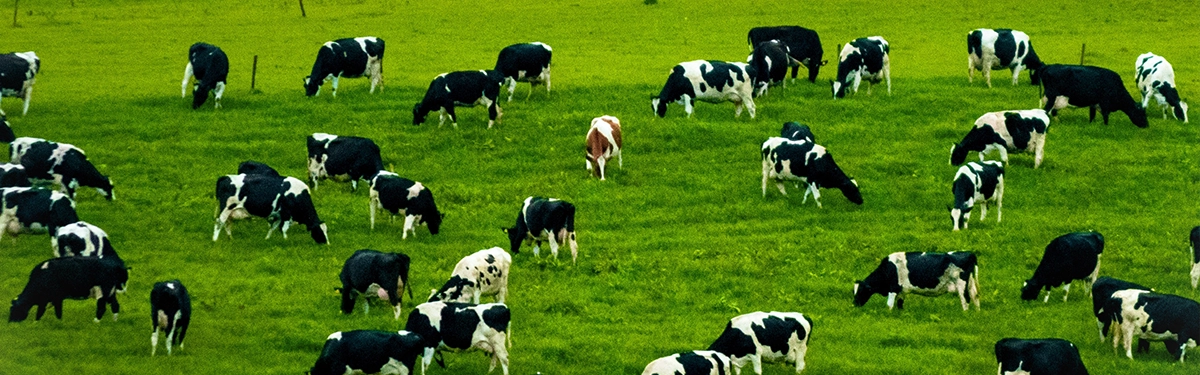
Spring is one of the most demanding periods on Irish dairy farms. With the majority of cows calved, the focus quickly shifts to two key goals: getting cows to peak milk efficiently and getting them back in calf on time.
At the centre of both is one critical challenge, managing negative energy balance in early lactation.
The Early Lactation Challenge: Energy Demand vs Intake
In the weeks immediately after calving, a cow’s energy demand rises rapidly as milk production increases. However, feed intake does not increase at the same rate. This mismatch creates a period of negative energy balance (NEB), where the cow is using more energy than she is consuming.
While some level of negative energy balance is unavoidable, the goal on every farm should be to reduce both its severity and duration. Typically, a cow hits peak milk production around six to eight weeks post‑calving, while peak dry matter intake doesn’t occur until 10 – 12 weeks after calving. The longer cows remain in deficit, the greater the impact on milk performance, body condition and fertility.
A well managed early lactation nutrition plan helps cows transition through this period quickly, supporting both production and reproductive performance.
Why Negative Energy Balance Matters for Performance and Fertility
Cows in prolonged negative energy balance will mobilise body reserves to support milk production. While this can maintain output in the short term, it comes at a cost.
Excessive body condition loss reduces energy available for key functions such as:
- ovarian activity
- heat expression
- conception rates
In practical terms, this means cows take longer to cycle and are harder to get back in calf. At the same time, milk performance can become inconsistent, with cows failing to reach their true peak.
Managing energy intake early is therefore not just about milk — it is about setting the cow up for the entire lactation.
Building the Right TMR for Early Lactation
A strong Total Mixed Ration (TMR) is the foundation of any early lactation feeding strategy. Everything starts with silage quality, as poor forage cannot be corrected later through concentrates alone.
High-quality silage provides the base for intake and rumen function. From there, the diet should be balanced with appropriate starch sources to increase energy supply and support milk production.
However, it is not just about adding more energy, it is about delivering it in a way that supports intake, digestion and rumen health. Poorly balanced diets can limit intakes or lead to digestive issues, both of which extend the period of negative energy balance.
The Role of Sugar in Early Lactation Diets
One of the most effective ways to increase energy intake without overloading the rumen is through the inclusion of sugar in the diet.
Granular sugar is highly palatable and energy-dense, making it a practical addition to TMR systems. Because it delivers a significant amount of energy in a relatively small volume, it allows more physical space in the rumen for forage and grass intake, particularly important in on-off grazing systems.
Beyond energy density, sugar plays an important functional role in the rumen. It feeds rumen microbes, helping improve the utilisation of both starch and fibre. This leads to more efficient digestion and better conversion of feed into milk.
Its palatability also helps drive overall intake, which is one of the biggest limiting factors in early lactation performance.
Increasing Intake: The Key to Reducing Negative Energy Balance
While diet formulation is important, the real driver of performance is how much cows actually eat. Dry matter intake usually rises steadily by about 0.75 –1 kg per week until cows reach their peak intake. This is why an energy‑dense diet is essential during the transition period. If a herd is consistently fed only 90% of their UFL requirement over three months, you can expect cows to lose around one full body condition score
Improving intake requires attention to detail across the entire feeding system:
- consistent TMR presentation
- fresh feed availability
- good feed space and access
- smooth transitions between housing and grazing
Small improvements in intake can have a significant impact on energy balance, helping cows reach peak milk faster and recover body condition sooner.
Practical Application on Irish Farms
On Irish farms operating spring calving systems, early lactation often coincides with variable weather and changing grass availability. This makes consistency even more important.
Where cows are on-off grazing, the TMR must complement grass intake rather than compete with it. Including a sugar source can help achieve this balance by supporting rumen function while maintaining appetite for both forage and grass.
The objective is simple: maximise total daily energy intake while maintaining rumen stability.
Linking Nutrition to Peak Milk and Fertility
Cows that move through negative energy balance quickly are more likely to:
- reach a stronger peak milk
- maintain body condition
- return to cycling earlier
- achieve higher conception rates
Early lactation nutrition is therefore directly linked to both production efficiency and reproductive performance. Getting this phase right reduces pressure later in the season and improves overall herd profitability.
Getting Support with Early Lactation Nutrition
Every farm is different and small adjustments in diet formulation or feeding management can have a significant impact on results.
If you want to improve peak milk performance, reduce negative energy balance or support cows getting back in calf, contact the Specialist Nutrition team today. Our experts can help assess your current feeding strategy and provide practical recommendations tailored to your system.