Expert Animal feed advice and updates from Specialist Nutrition to maximise performance on Irish farms Issue 10 April 2026
VIEW FROM THE FARM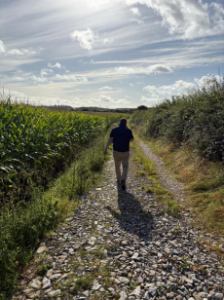
Weather is finally improving and livestock are being turned out. This brings its own workload and it’s often the small details that get missed at this time of year.
Water
Often described as the forgotten nutrient, is an area I find is overlooked, especially at turnout. It’s not that water isn’t available, but its quality is often questionable. Many troughs have been left sitting with stagnant water for months and this becomes a breeding ground for problems.
When you consider a dairy cow will consume 3.5 to 5 times the volume of milk she produces in water, access to clean, fresh, palatable water is essential.
Buffer feed
Compliments what the cows are getting from the grazed grass while also supplementing energy which will help maintain production and body condition, which is vitally important in the run up to breeding. Assess what nutrients cows are already getting from spring grass, protein, fibre, dry matter, and energy, then provide only the extra feed they need indoors to balance their diet.
Often the dry matter of grass is its most limiting factor, especially when dealing with fresh calved cows where intake is limited after calving. 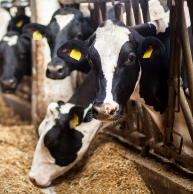
The temptation to just feed extra nuts through the parlour/robot might be appealing but I would warn you that the combination of rapidly fermentable carbohydrates, starch and decreasing fibre levels in the diet could lead to digestive problems and have a negative impact on production.
The buffer feed is also a great way to get any extra mineral and rumen buffers into milking cows. Cold nights can bring on grass tetany issues so be sure to ensure Cal-mag demands are being met. Other minerals like copper, zinc, calcium and phosphorus are important for maintaining production, fertility and health.
Calves
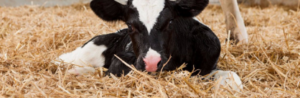
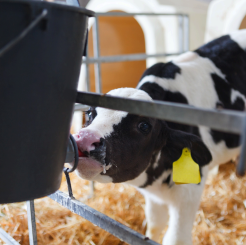 Most farmers will have calves at least a month old and here the assumption would be that they are out of harm’s way in my experiences it is this time of year when we can experience the most problems. This is possibly down to a combination of bacteria build up in the bedding as well fluctuating weather conditions and inconsistent ventilation, all of which can weaken calf immunity and create an ideal environment for disease to take hold. This spring is the first season that Specialist Nutrition have used AuraCalf on farm and so far the results have been very encouraging. Farmers are reporting little to no issues with coccidiosis or crypto scours and even in cases where outbreaks have occurred, recovery rates have been notably quick.
Disease Management
I recently had the opportunity to attend a webinar on Mycoplasma. While some farmers may already be familiar with the disease, one point that stood out to me was that it can be passed to calves through colostrum. Mycoplasma can present in several forms, including pneumonia, middle ear infections and lameness. A severe outbreak will see high incidence of morbidity and mortality.
This raises the importance of detecting the disease early so that farmers can be fully informed of their herd status. A bulk tank milk ELISA test can be carried out to screen your herd for Mycoplasma exposure. This will indicate whether your cows have previously been exposed to the organism. If you need to investigate sick calves, a PCR test can be performed on nasal swabs or serum to detect active Mycoplasma infection. Your vet will advise you on the most appropriate testing strategy for your farm and help you put an effective control plan in place.
Maintaining clean equipment, a clean calving environment and minimising stress in young calves all play a role in reducing the risk of infection. As with many diseases, prevention is far more effective than treatment, and early awareness allows farmers to make informed decisions to protect calf health and overall herd performance.
If you’d like support reviewing your feeding or herd health strategy, we’re here to help.
Wishing you a productive grazing season.
– Nigel
SUPPLIER SPOTLIGHT
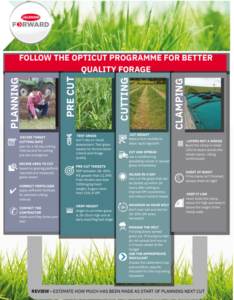
OPTICUT – TAKE CONTROL WITH FORAGE
TAKING A STRUCTURED APPROACH TO GRASS SILAGE MAKING WILL IMPROVE FORAGE QUALITY, BOOSTING MILK FROM FORAGE AND TAKING CONTROL OF COSTS.
If we are serious about producing more from forage, then we have to increase the quantities of high quality forage fed and ensure less is wasted. This will mean changing our whole approach to making grass silage because year in year out, irrespective of weather conditions, grass silage analysis remains stubbornly around 10.5MJ when it is possible to make silage consistently above 11MJ and a target of 11.5MJ is perfectly achievable.
We need to learn from the grazers who know that to maximise quality and quantity you need to harvest the crop more often and when it is at its optimum. We must move away from three large cuts of more mature grass with lower energy and poorer digestibility.
The Opticut approach is based on more frequent cutting of higher quality material and has a number of significant benefits.
BETTER QUALITY SILAGE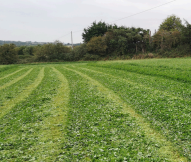
Cutting grass late leaves energy in the field. By cutting grass at the optimum, before increasing maturity and lignification compromise quality, you get a higher quality forage.
SILAGE COWS WANT TO EAT MORE OF
More frequent cutting will give a silage with a higher content of digestible NDF. As grass matures, for example when it starts to head, two things happen. Firstly, the total NDF content increases and secondly the level of indigestible NDF increases leading to a silage with lower energy and digestibility. Both of these can lead to reduced performance. Too much indigestible fibre will have a bulk’ effect and can reduce dry matter intake.
REDUCED RISK & EASED WORKLOAD PEAKS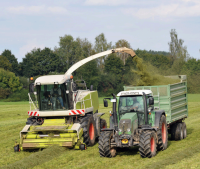
By harvesting more often you are making smaller cuts. This can make it easier to get the silage making process carried out quicker, meaning you are less exposed to weather risks and the impact bad weather has on silage quality. You also have a smaller proportion of total harvest exposed at any one time.

Reseeding can seem like a big investment, but if the job is done well you will reap the benefits many years after the initial outlay.

DR. Thomas Moloney Technical Product Manager
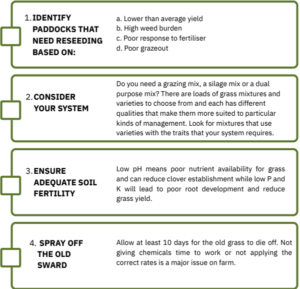
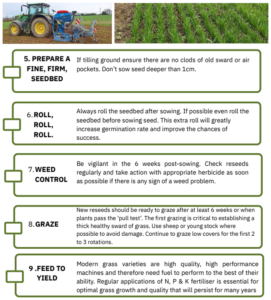
Following our spring reseeding checklist will help ensure you get the best value from your reseed by producing more tons of quality grass, improving grass utilisation on your farm and making your business more profitable.
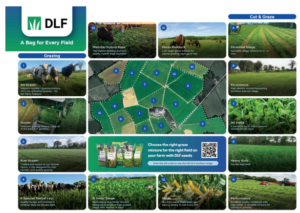
GRAZING OR CUTTING?
What to look out for in Irish Grass Seed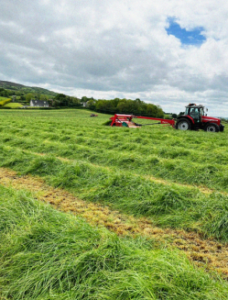 Mixtures this year
If you reseed just because you feel ‘you need to reseed’ or buy a grass mixture because that’s what the neighbours use, then you may get a poor return for your investment. Identify the field or paddock to reseed based on how much grass it typically grows or the level of weeds in the sward. Consider how you manage this piece of land and choose the appropriate grass mixture to best do the job you want it for.
GRASS SEED IS THE CHEAPEST PART OF RESEEDING BUT CHOOSING THE WRONG SEED
CAN TURN OUT EXPENSIVE!
Below we look at some of the key requirements of grass mixtures and varieties to use in grazing and cutting systems. The traits highlighted are all rated and ranked on the Pasture Profit Index (PPI).
GRASS TRAITS FOR GRAZING:
1. UTILISATION:
The number one trait to look for in a grazing mixture is its utilisation score. The best grazing mixtures contain a high level of tetraploid varieties with the best utilisation. Mixtures with this trait are easier for cows to graze, leave lower grazing residuals and have higher intakes of top quality grass. Make sure the grazing mixture you buy has as many 5 star utilisation varieties as possible!
2. SPRING AND AUTUMN GROWTH:
Having mixtures with strong spring growth will allow early turnout while autumn production will extend the grazing season in the backend. Spring growth is especially important in spring calving or lambing systems where a plentiful supply of high quality, low-cost forage is critical to farm profitability.
3. QUALITY:
Grass quality drives production and higher quality grass tends to be more palatable to grazing livestock. Grass utilisation and grass quality are closing linked and the more high quality grass we can utilise the more profitable our systems will be.
GRASS TRAITS FOR SILAGE
1. TOTAL DRY MATER YIELD:
When making silage the first requirement is to make enough to get through a winter that could last up to 6 months depending on location and weather. Increasingly, silage is required to fill forage deficits caused by summer drought which places further importance on mixtures producing big enough crops. The silage figure on the PPI is a combined value for first and second cut yield and is a good indicator of how a variety will perform in this kind of system.
2. HEADING DATE SPREAD:
Typically, silage mixtures will contain both Intermediate and Late heading grass varieties. Intermediate varieties will help boost the yield of first-cuts taken in mid to late May while Lates will maintain quality in these crops. If you know first cut harvest will not take place until at least June 1 then it may be a good idea to choose a mix with only Late heading varieties as Intermediates may reduce quality in this scenario.
QUALITY:
As with grazing, choosing varieties and mixtures with string quality scores will increase silage quality and improve animal performance. The key to silage making is striking the balance between yield and quality.
Have a question? Get in touch below
051-833071
info@specialnutrition.ie