Monitoring calf growth is one of the most reliable ways to understand whether your calf rearing system is working. Feed quality, milk replacer, hygiene and housing all matter but without weighing calves, it’s impossible to know if those inputs are translating into performance.
In block calving systems especially, there is little room to fix problems later. Growth needs to be right from the start.
This guide explains how often to weigh calves, what growth targets to aim for, how to use a weight band correctly and how to make weaning decisions that support long-term performance.
What Growth Target Should You Be Aiming For?
The key benchmark for calf growth is simple:
A healthy calf should double its birth weight by weaning.
To assess whether this is happening, you need at least:
- A birth weight
- A weaning weight
From these two figures, average daily liveweight gain (ADG) can be calculated. Even if calves are only weighed twice, this information gives a clear picture of whether the system is delivering.
For example, a calf born at 40 kg should be close to 80 kg by weaning. Falling short of this target often points to issues with milk intake, digestion, health or early starter intake.
Why Early Weighing Matters in Block Calving Systems
In block calving herds, calves move through the system quickly. If growth is behind at four or five weeks of age, there is limited opportunity to correct it later.
Weighing calves at week four or week five can confirm whether:
- Milk feeding levels are adequate
- Milk replacer mixing and temperature are consistent
- Calves are converting feed efficiently
Identifying underperformance early allows changes to be made while calves can still respond.
How Often Should Calves Be Weighed?
The more frequently calves are weighed, the clearer the picture becomes. However, even limited weighing has value.
- Ideal: Regular weighing throughout the milk-feeding period
- Minimum: Birth weight and weaning weight
Some farms may only have two or three chances to weigh calves before they are fully weaned and move on. Even so, these measurements allow you to:
- Track growth trends
- Compare groups
- Identify weaker calves early
Consistency matters more than frequency. Using the same method each time ensures results are comparable.
Using a Weigh Band Correctly
Weigh bands are a practical and accessible tool on most farms, but accuracy depends on correct use.
To weigh a calf properly:
- Place the band just behind the front legs
- Ensure it sits flat and straight
- It should be snug but not tight
- Avoid slack or twisting
Once positioned correctly and not moving, the reading can be taken. In the video example, the calf weighed approximately 83 kg, and was among the lighter calves in the group — information that would be missed without weighing.
Weaning: Why Intake Matters More Than Weight Alone
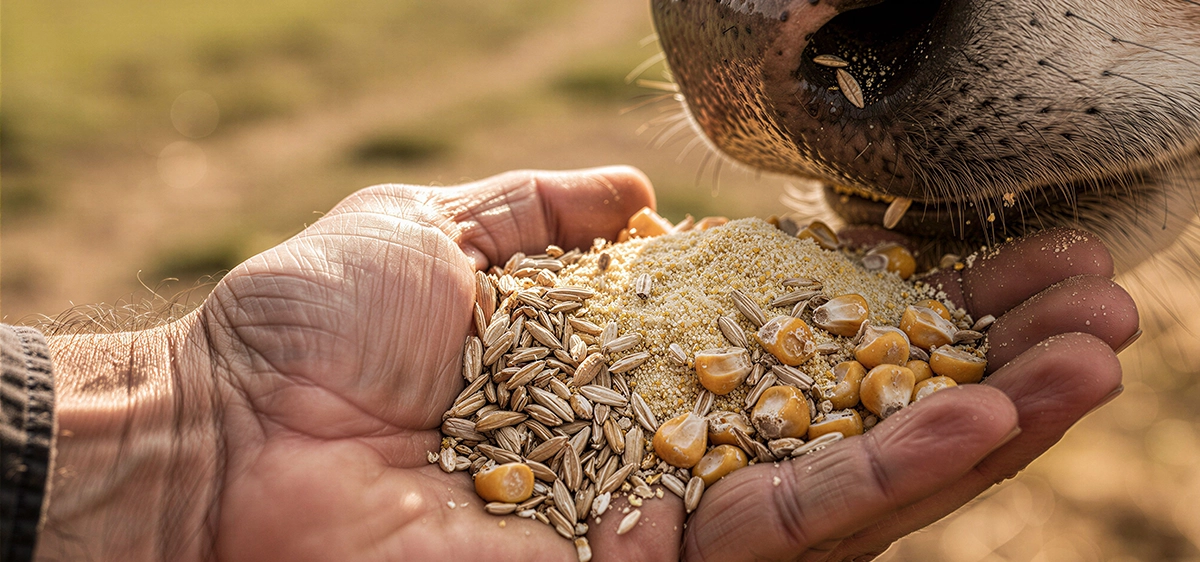
While weight targets are important, weaning decisions should be based on dry matter intake, not weight alone.
Best practice is to wean calves when they are:
- Eating 1.5–2 kg of dry feed per day
- For three consecutive days
This ensures the rumen is developed enough to handle the transition off milk without growth checks or health setbacks.
In reality, many farms:
- Do not weigh calves regularly
- Do not measure concentrate intake consistently
Where intake is not measured, close observation of feeding behaviour and consistent weighing become even more important to avoid premature weaning.
Why Growth Monitoring Pays Off
Weighing calves and tracking performance is not about paperwork — it’s about control.
Regular growth checks help:
- Reduce setbacks at weaning
- Improve lifetime performance
- Identify nutritional or health issues early
- Support confident management decisions
Calves that grow well early are easier to manage, healthier through weaning and better prepared for the next stage of the system.
Key Takeaways
- Aim for calves to double birth weight by weaning
- Weigh calves at birth and again at weaning at a minimum
- Early weighing at 4–5 weeks helps catch problems early
- Use weigh bands correctly for consistent results
- Base weaning on dry matter intake, not age alone
Small, consistent checks early in life make a big difference to calf performance later on.
Get More From Your Calf Rearing Programme
Weighing calves, setting clear growth targets and managing weaning correctly all come down to one thing: consistency. When calves are fed well, monitored early and transitioned at the right time, they are far more likely to stay healthy, hit performance targets and move smoothly through the system.
If calves are not meeting growth targets, or if weaning is proving challenging, it is often a sign that feeding rates, milk replacer formulation, mixing accuracy or starter intake need to be reviewed.
Specialist Nutrition works with farmers across Ireland to optimise calf feeding programmes, from milk replacer selection and feeding rates to growth monitoring and weaning strategies. Practical, on-farm advice can help identify small changes that make a measurable difference to calf performance.
If you’d like support with calf growth targets, weighing protocols or weaning decisions this season, contact Specialist Nutrition for tailored advice based on your system and goals.