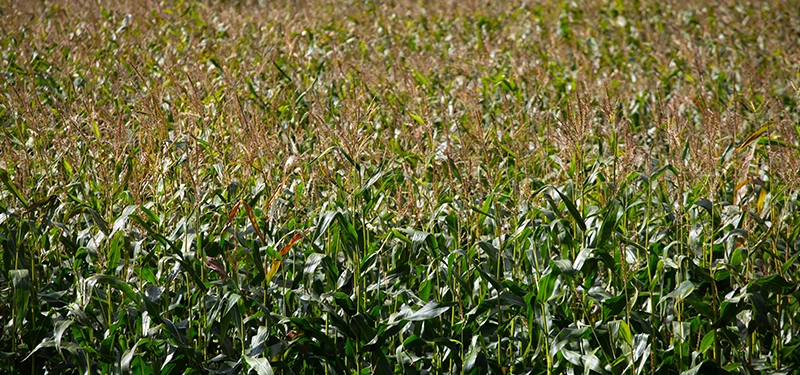
After a long, dry growing season, maize crops across Ireland have performed very differently depending on soil type and how much moisture was available throughout the summer.
Richard from Specialist Nutrition has been travelling around the country looking at maize crops, and the difference between fields is clear. While crops on soils that retained moisture have generally performed very well, maize grown on gravelly and free-draining soils has faced much greater pressure from the prolonged drought.
For farmers who have invested significant time and money in getting their crop to this stage, attention now turns to the next step: harvesting and ensiling the maize.
How Is the 2026 Maize Crop Performing?
Overall, maize crops are doing very well in soils that have been able to retain moisture throughout the dry period.
Crops grown on loamy soils and even slightly heavier, clay-type soils have generally performed particularly well. The key factor has been their ability to retain some moisture throughout the prolonged drought, allowing the crops to continue developing.
For these crops, starch levels are expected to be good.
Yield may still be somewhat lower where the drought affected the crop during its development, but where the crop was able to maintain access to moisture, the expectation is that starch levels should remain good.
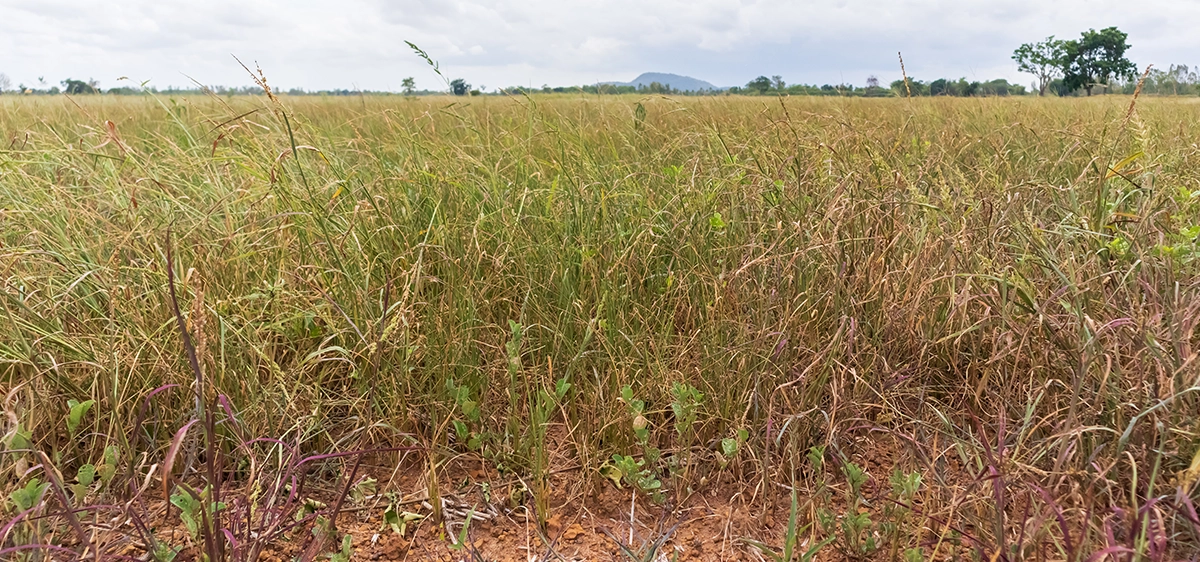
The picture has been very different on lighter, gravelly and free-draining soils.
Gravelly and Free-Draining Soils Have Struggled
Maize crops on gravelly and free-draining soils have struggled more significantly during the prolonged dry period.
These soils lost their available moisture much earlier, leaving crops without the moisture they needed to continue developing normally. As a result, growth has been stunted in some fields.
Unfortunately, there is little that could be done to change this once the prolonged drought took hold. The conditions have simply affected crops differently depending on the ground they were growing on.
There will still be a crop to harvest from these fields, but yields are expected to be significantly lower.
For farmers now approaching harvest, the focus therefore moves to making the most of the crop that is available and protecting its feeding value through the ensiling process.
The Next Step: Getting Maize Ensiling Right
Once the maize crop is ready, ensiling is the final stage. After putting considerable time and money into growing the crop, the aim is to preserve as much of what has been produced as possible.
From Specialist Nutrition’s perspective, maize additive is a key part of the ensiling process.
One of the challenges with maize is that it is naturally a high dry matter crop. It typically reaches around 30% dry matter, and this creates a particular challenge during fermentation.
At this level of dry matter, there is less moisture available for the bacteria involved in fermentation to multiply and move throughout the crop. This makes it more challenging for the bacteria to move through the maize and complete the fermentation process effectively.
This is where an additive designed to work in a high dry matter environment can have an important role.
The Role of Magniva Maize Additive
Specialist Nutrition stocks the Magniva range of maize additives, which is designed to work effectively in the high dry matter conditions associated with maize.
The additive contains bacteria suited to this environment. The bacteria Hilgardia and Bognarai are particularly effective in the high dry matter conditions found in maize.
A crucial function of the additive is to help create stability in the pit. It also works to bring down the pH and support the fermentation process.
The fermentation process can be completed within 15 days, meaning the pit can be opened after 15 days.
The purpose of achieving this more efficient fermentation is not simply to shorten the waiting period. The bigger objective is to retain more of the feed produced in the field.
Minimising Dry Matter Losses
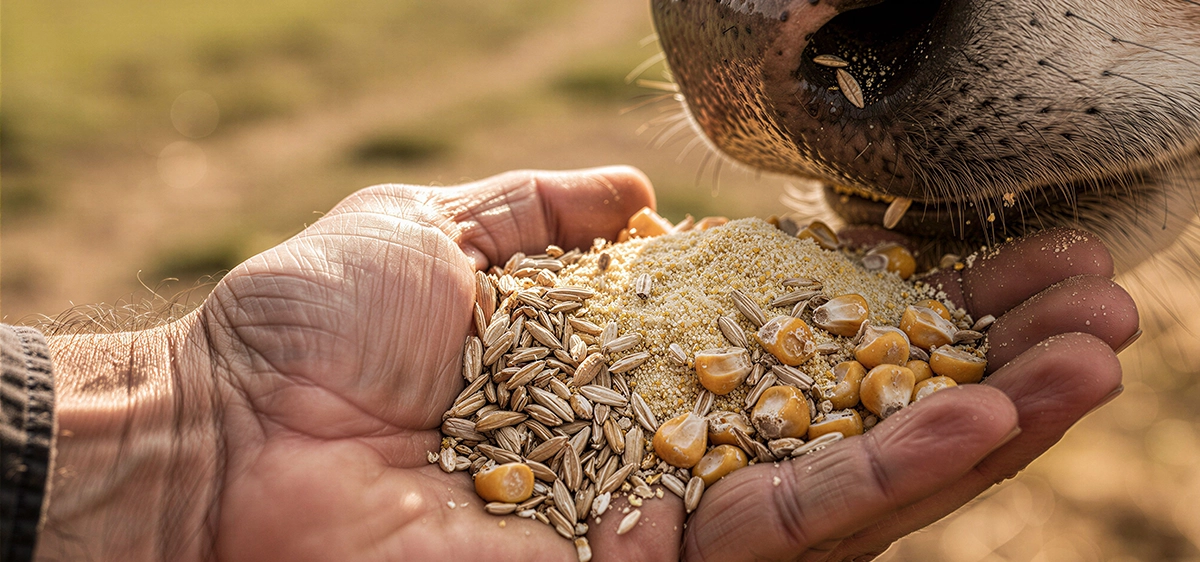
The whole idea behind using a maize additive is to have more feed available to the cows.
Natural fermentation will result in some dry matter losses, and the crop would naturally take longer to complete the fermentation process.
By shortening that fermentation window and helping the fermentation process work effectively, the aim is to minimise dry matter losses and retain more of the harvested crop for feeding.
In practical terms, this means more of the dry matter that was grown and harvested remains available for the cows to eat.
This is particularly important after a dry growing season. Where drought has already reduced yields in some fields, protecting the dry matter in the crop that has been harvested becomes even more valuable.
Why Pit Stability Matters
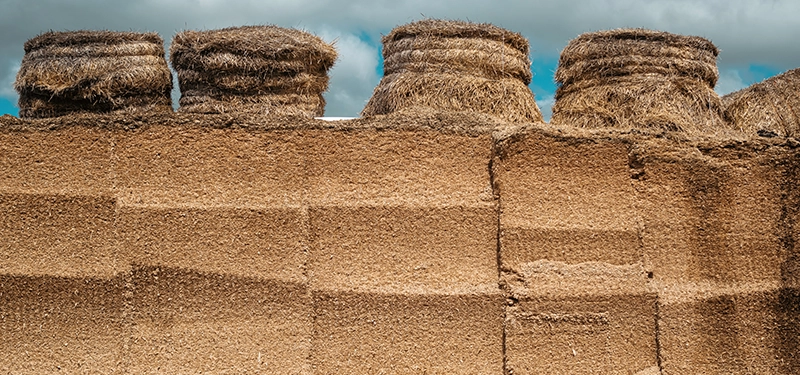
Fermentation is not the only consideration once maize has been ensiled. Pit management and stability when the pit is opened are also important.
The additive helps create a stable anaerobic environment when the pit is opened.
This is important because exposure to oxygen can contribute to the development of yeasts and moulds and ultimately increase waste.
Pit stability becomes particularly important where a farmer is moving through the pit at a slower pace for whatever reason.
Where the feed face is progressing slowly, maintaining stability helps the silage hold itself, stay cool and remain fresh throughout feeding.
The objective is to minimise waste and keep the maize in a condition where more of the feed remains available to the herd throughout the feeding period.
Protecting the Value of This Year’s Maize Crop
The 2026 maize crop has shown just how much difference soil type and moisture availability can make during a prolonged dry period.
Crops grown on loamy and slightly heavier soils that retained moisture have generally performed very well, with good starch levels expected. On gravelly and free-draining soils, moisture was depleted much earlier, resulting in stunted growth and significantly reduced yields.
At this stage, the growing conditions cannot be changed. The priority is to protect the crop that has been produced.
Getting the maize ensiled correctly and supporting the fermentation process can help minimise dry matter losses, while maintaining stability in the pit can help reduce waste and keep the silage cool and fresh once feeding begins.
Ultimately, the aim is simple: retain as much of the valuable feed grown in the field as possible and make more of it available to the cows.
For further information on maize additives or the Magniva range, contact Specialist Nutrition.