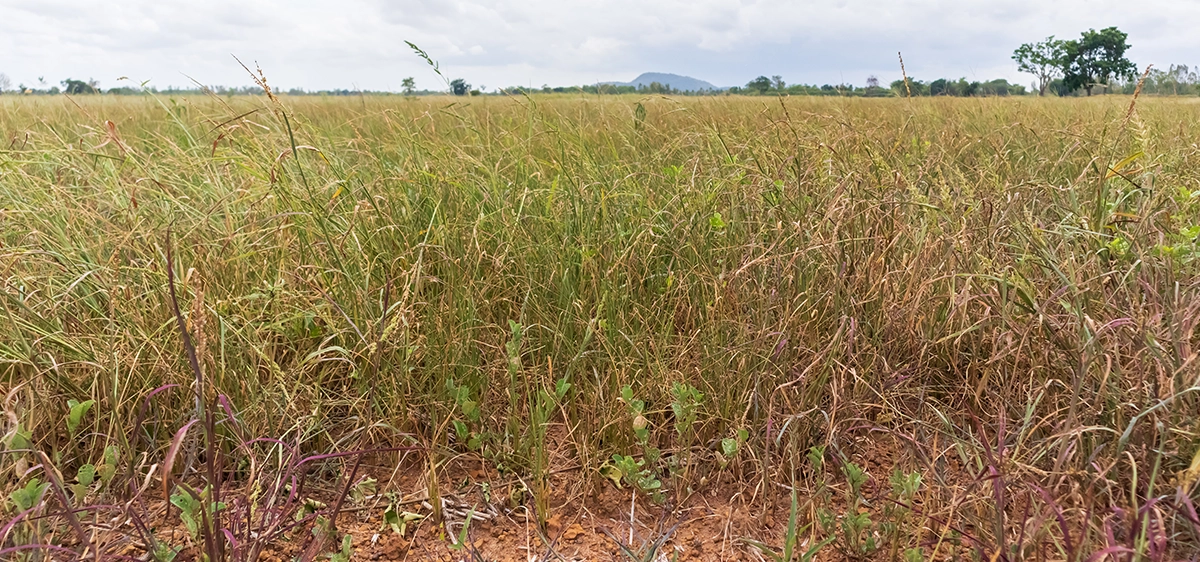
The recent dry weather has created a difficult summer for many dairy farmers across Ireland. While some farms still have reasonable grass covers, others are seeing grass growth slow rapidly, forcing them to introduce supplementary feeding much earlier than planned.
During a recent visit to a dairy farm in County Kilkenny, one of the areas hardest hit by the current dry conditions—Specialist Nutrition’s Nigel Condell discussed how the farm has adapted its feeding programme to maintain milk production and support cow performance while grass remains under pressure.
Although every farm is different, the principles behind this feeding strategy provide practical guidance for farmers facing similar challenges.
Why Acting Early Matters
One of the biggest mistakes farmers can make during dry weather is waiting until grass supplies become critically low before changing the diet.
As grass growth slows, cows can quickly struggle to consume enough dry matter to meet the demands of milk production. Introducing supplementary feed before cows begin to lose condition or production helps maintain a more consistent diet and avoids sudden nutritional changes.
The aim isn’t simply to feed more, it’s to ensure cows continue receiving the energy and nutrients they need while making the best possible use of the forage and grass that remains available.
What Is This Kilkenny Farm Feeding?
To support the herd during the current dry spell, the farm is feeding:
- Good-quality grass silage bales
- EORNAGOLD
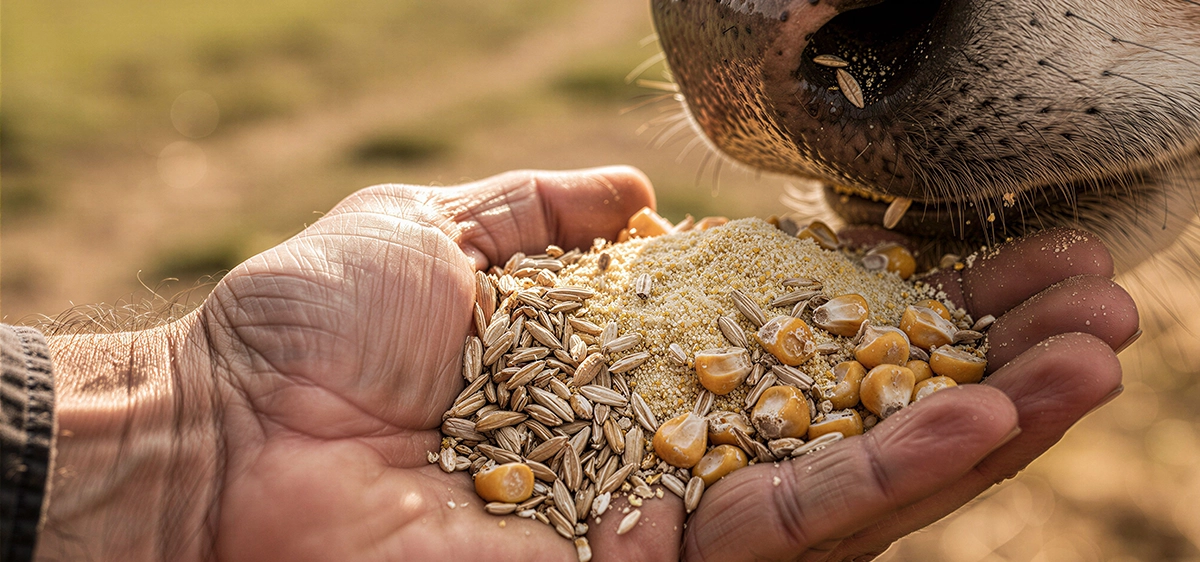
- A three-way cereal mix of oats, barley and maize meal
- Nuts through the parlour
Rather than replacing grazed grass completely, these feeds are being used to complement what’s available in the paddocks and help maintain consistent dry matter intake across the herd.
Every farm will require a different approach depending on grass covers, forage stocks and production levels, but the principle remains the same—identify the gap early and bridge it before performance begins to suffer.
Why This Three-Way Cereal Mix?
Nigel selected a blend of oats, barley and maize meal for two practical reasons.
The first is digestibility.
During periods when grass growth is restricted, every kilogram of supplementary feed needs to work hard. Nigel considers oats, barley and maize meal to be highly digestible ingredients, helping cows obtain as much nutritional value as possible from the ration being offered.
The objective isn’t simply to increase concentrate feeding. It’s to provide a supplementary ration that fits into the overall feeding programme while making efficient use of the nutrients being supplied.
Keeping Feed Local
The second reason behind this feeding strategy is one that’s easy to overlook.
Most of the oats and barley used in the ration are grown locally, while the feed merchant supplying the mix is located just three miles from the farm.
This creates a short supply chain and, as Nigel explains, gives the ration a comparatively lower transport-related environmental footprint than ingredients sourced from much farther away.
It’s a practical reminder that effective feeding solutions don’t always need to come from long distances. Often, high-quality ingredients can be sourced much closer to home.
Don’t Copy Another Farm—Build the Right Feeding Programme for Yours
Although this feeding programme is working well on the Kilkenny farm, Nigel stresses that there is no single ration that suits every dairy herd.
The right feeding strategy will depend on factors including:
- Grass availability
- Silage quality
- Current forage stocks
- Stage of lactation
- Milk production
- Feed availability
Two neighbouring farms can face very different challenges, even during the same period of dry weather.
That’s why it’s important to assess what’s happening on your own farm rather than simply copying another feeding programme.
Review Your Feeding Strategy Before Performance Drops
Dry weather often develops gradually, but the impact on milk production can appear surprisingly quickly once cows begin falling short on dry matter intake.
Regularly walking the farm, monitoring grass covers and reviewing the diet gives farmers the opportunity to make gradual adjustments before cows come under nutritional pressure.
Maintaining a consistent feeding programme helps support rumen function, milk production and body condition while reducing unnecessary stress on the herd.
Grain Supplies Are Tight
As more farms introduce supplementary feeding, demand for grains has increased significantly.
Right now grain supplies are currently limited and moving quickly. Farmers who expect to require additional feed over the coming weeks are encouraged to plan ahead rather than wait until grass supplies become critically low.
Acting early not only provides greater choice but also makes it easier to build a balanced feeding programme before shortages become more challenging.
Need Advice on Feeding During Dry Weather?
Every farm is different, and so is every feeding programme.
If grass growth has slowed on your farm or you’re reviewing your current ration, the Specialist Nutrition team can help you assess your forage supplies and develop a feeding strategy tailored to your herd and production system.
Whether you need advice on supplementary feeding, balancing the diet or managing cows through prolonged dry conditions, we’re here to help.
Contact Specialist Nutrition today or send us a message through Facebook or Instagram. Our team will be happy to discuss your options and help you develop a feeding plan that works for your farm.