After several days of dry weather, many Irish dairy farmers are beginning to ask the same question: how long will the grass last?
Some farms still have reasonable grass covers, but when rainfall is limited, grass growth can slow surprisingly quickly. What looks like an adequate supply today can become a grazing deficit within a week or two if dry conditions continue.
The key is not to wait until cows are short of grass. Monitoring covers, protecting intakes and planning supplementary feeding early gives farmers more flexibility and helps maintain milk production, body condition and overall herd performance.
Grass Covers Can Change Faster Than You Think
Dry weather doesn’t immediately create a grass shortage, but it does reduce grass growth while demand from the herd remains the same.
If rain doesn’t arrive, grass supply can quickly fall behind demand, leaving farmers trying to bridge a nutritional gap that could have been planned for earlier.
Regular grass walks become even more important during dry periods. Rather than relying on appearance alone, farmers should assess:
- current grass covers
- grazing demand across the herd
- expected grass growth over the coming weeks
- whether current covers will comfortably meet demand
If a deficit looks likely, it’s better to introduce additional feed early rather than waiting until cows are under pressure.
Clean Water Should Always Be the First Priority
While grass is often the main focus during dry weather, water is just as important.
As temperatures rise, cows drink significantly more water to maintain intake, milk production and body temperature. Any restriction in water availability can quickly reduce feed intake and impact performance.
Even if water troughs appear clean, they should be checked regularly.
Take time to ensure:
- water troughs are clean and free from algae or debris
- cows have unrestricted access to fresh, clean water
- water is available along roadways where possible
- collecting yards have adequate water before and after milking
- drinkers are supplying enough water during periods of high demand
Pay particular attention around milking time, when cows are often at their thirstiest. Clean, easily accessible water is one of the simplest ways to support production during hot, dry conditions.
Review the Diet Before Grass Becomes Limiting
As grass availability tightens, cows can quickly move into an energy deficit if diets are not adjusted.
Rather than reacting once milk production starts to fall, it’s better to review the overall feeding programme as soon as grass growth begins to slow.
The aim is to maintain:
- dry matter intake
- energy supply
- fibre levels
- rumen function
Making small nutritional adjustments early is often more effective than making large changes once cows are already under pressure.
Malt Culms: A Practical Feed Option When Grass Is Tight
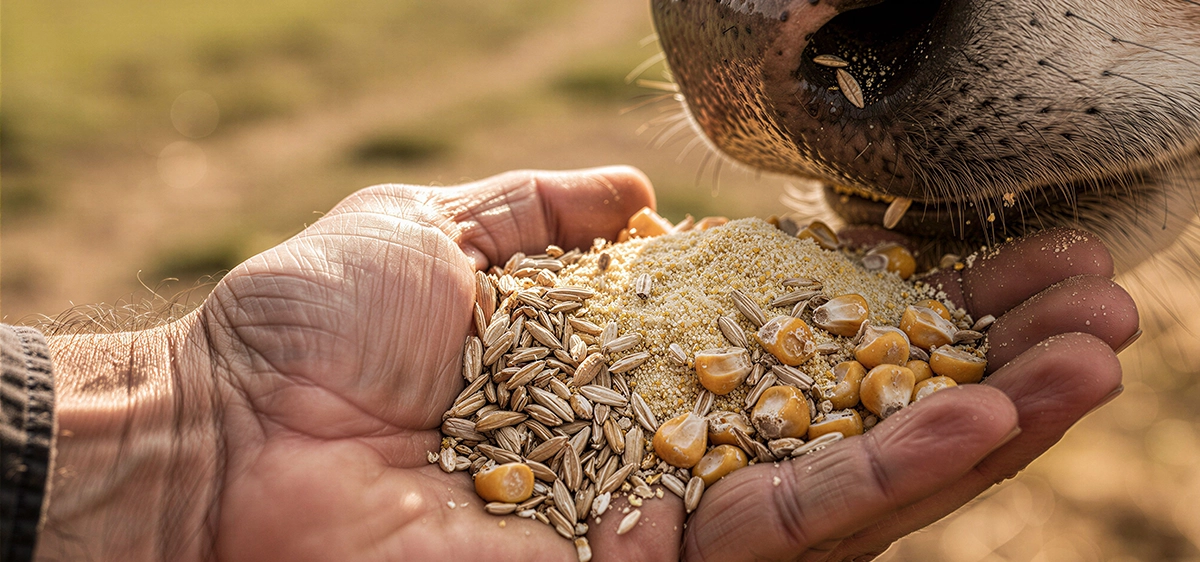
For farms beginning to experience pressure on grass or forage supplies, malt culms can provide a practical supplement to the diet.
Malt culms offer a balanced source of fibre, protein and energy, making them well suited to supporting dairy cows when grazed grass alone is no longer meeting nutritional requirements.
Typical analysis includes:
- 16% crude protein
- 19% starch
- Approximately 37% NDF (Neutral Detergent Fibre)
This balance helps support rumen function while maintaining energy intake during periods when grass growth is restricted.
Available in 30-tonne loads through Specialist Nutrition, malt culms can be incorporated into the feeding programme to help bridge temporary forage shortages while maintaining cow performance.
Don’t Wait Until Production Drops
One of the biggest mistakes during a dry spell is waiting until milk production begins to decline before taking action.
By the time cows are visibly under pressure, they may already have reduced dry matter intake and begun losing body condition.
Planning ahead allows farmers to make gradual adjustments to the diet while maintaining consistency — something that is particularly important during periods of weather-related stress.
Dry Weather Farm Checklist
As dry conditions continue, ask yourself:
- Have I walked the farm this week to assess grass availability?
- Will current grass growth meet herd demand over the next two weeks?
- Are all water troughs clean and supplying enough water?
- Do cows have access to water along roadways and in the collecting yard?
- Are cows maintaining intakes and behaving normally around milking?
- Do I have a plan if grass supply becomes tighter?
- Have I reviewed suitable supplementary feed options?
Taking action early gives you more feeding options and helps protect both milk production and cow health.
Final Thoughts
Dry weather doesn’t have to result in poor performance, but it does require close attention to grazing management and nutrition.
Monitoring grass covers, ensuring unrestricted access to clean water and reviewing the diet before a deficit develops will help maintain production and reduce stress on the herd.
When grass starts to tighten, acting early is always easier than trying to recover lost performance later.
Need Advice on Feeding During Dry Weather?
If dry conditions are beginning to affect grass availability on your farm, the Specialist Nutrition team can help you review your feeding programme and recommend practical solutions to maintain performance.
For more information or to speak to the team, contact Specialist Nutrition today.