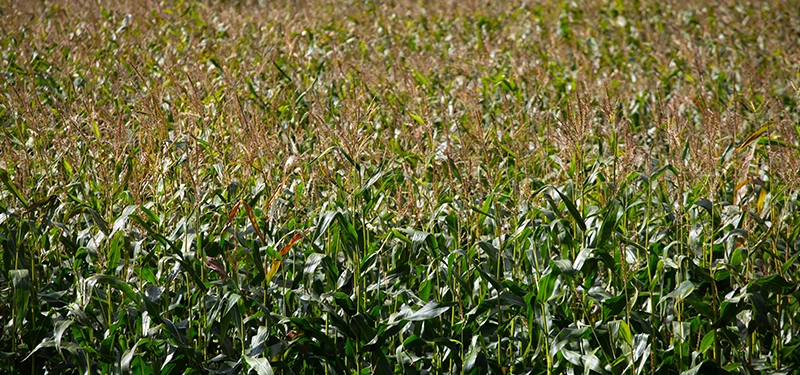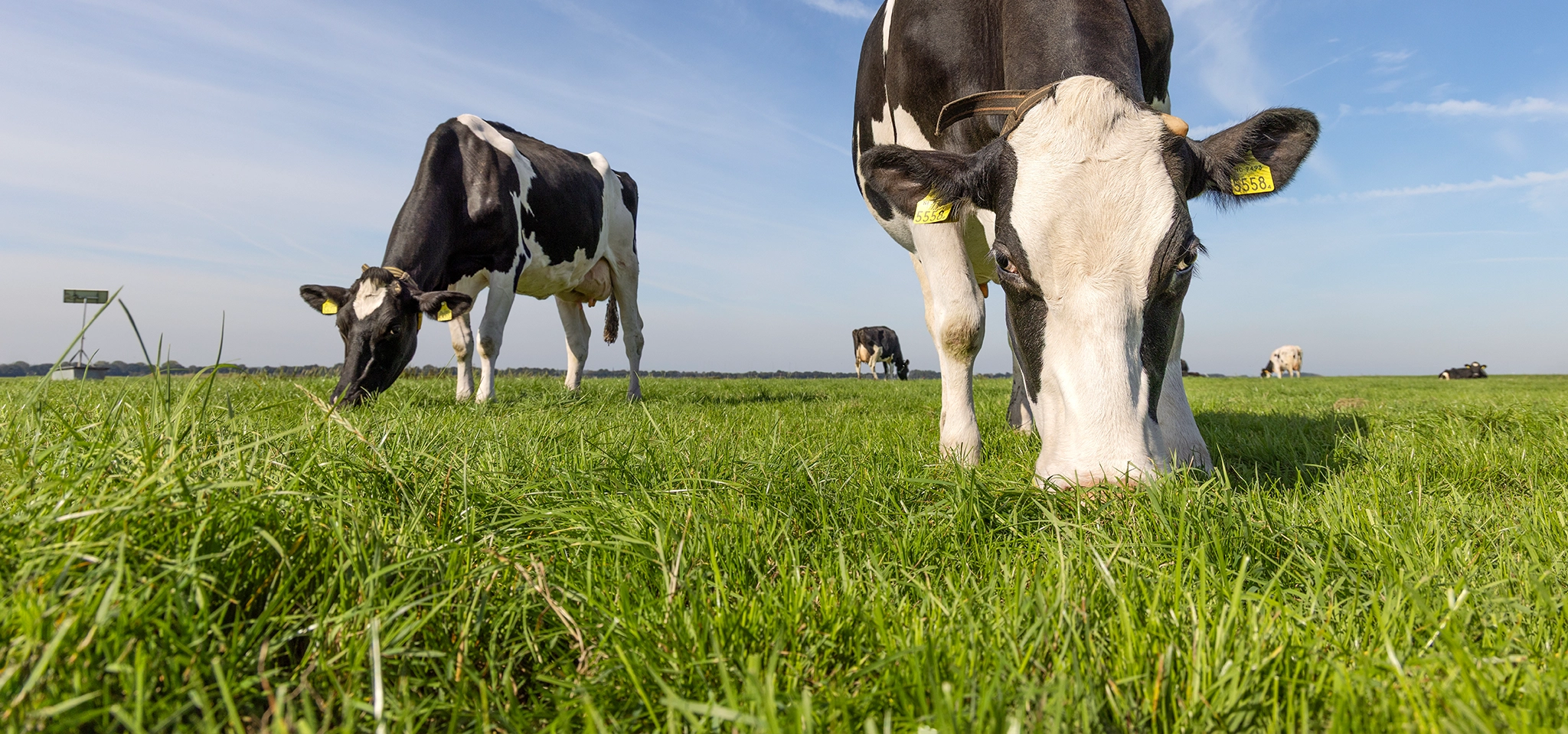
For many dairy farmers, butterfat levels can come under pressure as grazing season progresses. Cows are performing well, grass covers are strong and intakes are high, yet milk solids don’t always reflect the quality of feed in front of them.
It is common to see some level of butterfat depression as grazed grass becomes a larger proportion of the diet. Understanding why this happens and what can be done to prevent it is key to maintaining milk solids and protecting farm profitability during the summer months.
Why Do Butterfats Often Drop at Grass?
At first glance, it can seem strange that butterfats fall when cows are grazing high-quality grass. After all, grass is the cheapest and most productive feed available on Irish dairy farms.
The answer lies in how the rumen responds to changes in the diet.
As cows move into the second grazing rotation, grass becomes increasingly leafy, highly digestible and rich in fermentable sugars. While this supports production, it can also create conditions that are less favourable for butterfat production.
There are three main reasons why butterfat depression is commonly seen at this time of year.
1. Second Rotation Grass Contains Less Fibre
As grazing season progresses, grass tends to become leafier and lower in structural fibre.
This can increase the rate at which feed passes through the digestive system, reducing the amount of fibre that is digested in the rumen.
Fibre digestion plays a critical role in butterfat production. When fibre digestion is compromised, butterfat levels often follow.
2. Higher Oil Levels Can Challenge the Rumen
Fresh grass can also contain higher levels of oil.
When oil concentrations rise above certain levels, it creates an additional challenge for rumen function. Excess oil can interfere with the activity of fibre-digesting bacteria, reducing the cow’s ability to break down fibre efficiently.
This is another reason why butterfat percentages can begin to decline during periods of high grass intake.
3. Less Fibre Means Less Butterfat Production
Research consistently shows that fibre digestion is one of the main drivers of milk fat production.
In fact, approximately 50% of butterfat is produced from digestible fibre through the production of acetate within the rumen.
When cows consume diets that are lower in effective fibre and higher in rapidly fermentable carbohydrates, acetate production can fall, leading to lower butterfat percentages.
This is why lush grass diets, while excellent for milk production, can sometimes result in disappointing milk solids.
Why Butterfat Matters
A drop in butterfat doesn’t just affect milk composition — it affects profitability.
For many dairy farms, milk solids are a key driver of milk price and overall farm income. Even small reductions in butterfat percentage can have a significant impact when spread across the entire herd over the course of the season.
Maintaining rumen function and fibre digestion should therefore be viewed as a production and profitability issue, not simply a nutritional one.
How to Reduce the Risk of Butterfat Depression
The good news is that butterfat depression can often be managed through good grazing and feeding practices.
The first step is ensuring cows receive an adequate daily grass allocation. Cows need access to sufficient high-quality grass every day to maximise dry matter intake and maintain consistent rumen function.
Consistency is important. Sudden changes in grass supply, grazing residuals or supplementation can all increase the likelihood of milk solids fluctuations.
The Role of Buffer Feeding
Buffer feeding can play an important role when grass fibre levels are low.
The objective is not to replace grass but to complement it by supplying additional digestible fibre and helping stabilise rumen conditions.
Feeds such as:
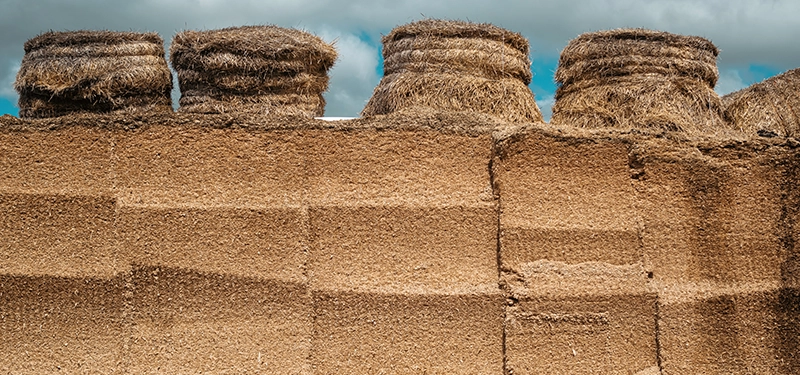
- straw
- beet pulp
- soya hulls
can help bridge the fibre gap and support acetate production within the rumen.
Buffer feeding is often particularly valuable during periods of rapid grass growth when grass quality is excellent but fibre levels are reduced.
Supporting Fibre Digestion
When aiming to maximise butterfat production, supporting fibre digestion should be a priority.
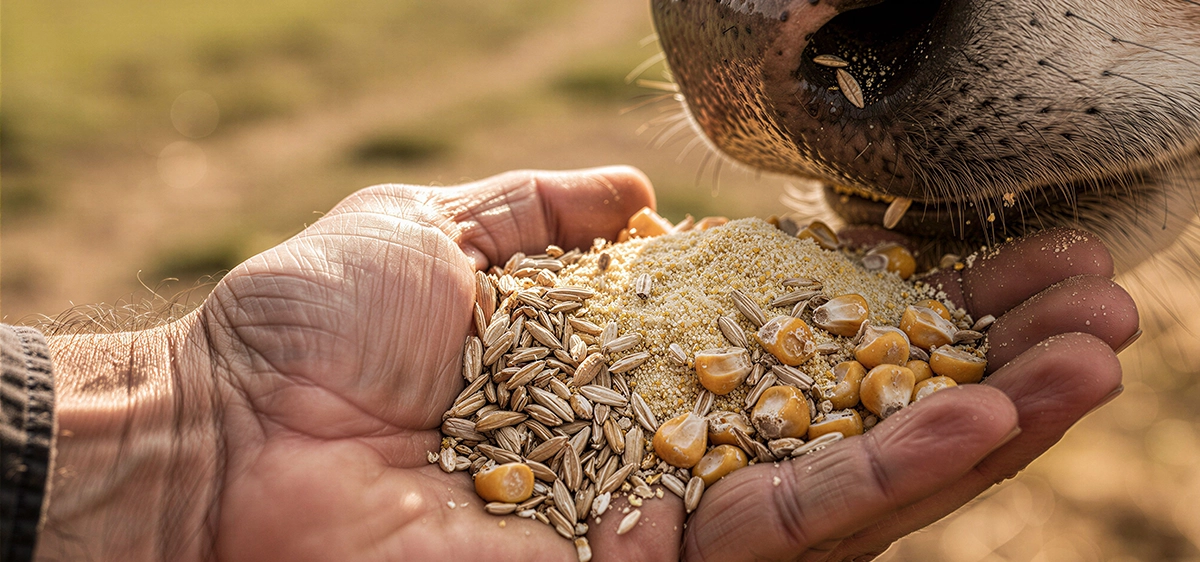
Feed additives that promote rumen function can help improve the digestion of fibre and support a more stable rumen environment.
Options such as live yeast products, including VistaCell, can help optimise fibre digestion and feed utilisation.
Buffering products such as Acid Buf can also support rumen stability, particularly where diets contain high levels of rapidly fermentable grass.
Used as part of a balanced nutritional programme, these tools can help cows make better use of forage and maintain milk solids throughout the grazing season.
Focus on the Whole Diet
Improving butterfat is rarely about one single feed ingredient.
The most successful farms focus on:
- maximising dry matter intake
- maintaining consistent grass quality
- providing adequate digestible fibre
- supporting rumen health
- balancing supplementation with grazing
When these elements come together, cows are better able to convert high-quality grass into milk solids.
Final Thoughts
Butterfat depression is a common challenge as grass becomes a larger part of the dairy cow’s diet. Lower fibre levels, higher oil content and faster passage rates can all contribute to reduced butterfat percentages.
However, with the right grazing management, appropriate buffer feeding and a focus on fibre digestion, much of this decline can be prevented.
Maintaining butterfat isn’t about feeding more — it’s about ensuring the rumen has the conditions it needs to make the most of the grass in front of the cow.
Need Help Maintaining Butterfat at Grass?
If butterfat levels have dropped as grazing season has progressed, the Specialist Nutrition team can help assess your feeding programme and identify practical solutions to support rumen function, fibre digestion and milk solids production.
Contact Specialist Nutrition today for expert advice on grazing nutrition and butterfat management.