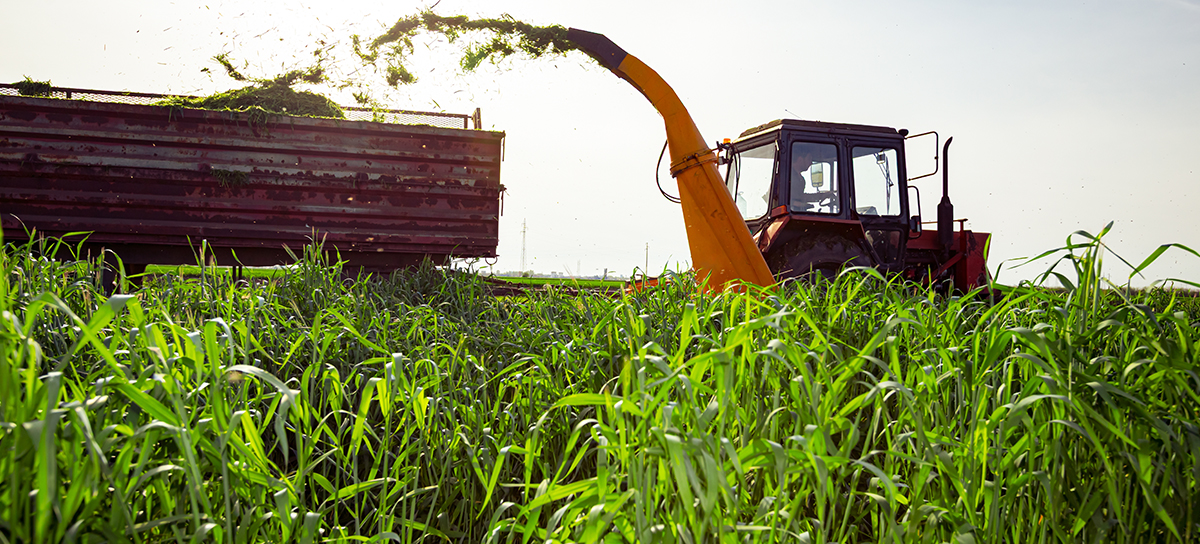
First cut silage will determine winter feeding performance long before cattle are housed. The quality achieved over a few days this spring can directly affect milk production, liveweight gain, concentrate usage and overall herd performance for months afterwards.
With variable weather conditions across Ireland, making the right cutting decision is becoming more difficult. Delaying harvest may increase bulk, but feed quality drops quickly as grass matures. At the same time, challenging weather conditions can increase the risk of poor fermentation, nutrient loss and silage spoilage.
That is why first cut silage should never be viewed simply as a harvesting job. It is one of the biggest nutritional decisions made on farm each year.
Producing high-quality silage comes down to managing timing, testing, wilting, pit management and preservation correctly from start to finish.
Timing Is Everything When Making First Cut Silage
One of the most expensive mistakes farmers can make is delaying silage cutting in the hope of gaining extra yield.
While the crop continues to bulk out, digestibility and energy decline rapidly. Every week after mid-May can reduce D-value by approximately three units, lowering feed quality and increasing winter feeding costs.
Lower D-value silage often results in:
- poorer animal performance
- lower dry matter intakes
- increased concentrate requirements
- reduced milk production and liveweight gain
First cut silage forms the foundation of the winter feed programme, so quality decisions made at this stage have a major impact later in the year.
The challenge is finding the balance between yield and feed value before the crop becomes too mature.
Pre-Cut Testing Removes the Guesswork
Visual assessment alone is no longer enough when deciding when to cut silage.
Grass growth rates, weather conditions and nitrogen uptake can vary significantly between farms and even between fields. Cold April weather followed by rainfall can also create sudden nitrogen uptake in crops, making nitrate testing particularly important this season.
To help farmers make a more informed decision on when to cut silage, Specialist Nutrition offers a pre-cut testing service. This allows farmers to assess crop quality before harvesting begins and identify the optimum cutting window for both yield and feed value.
Testing provides valuable insight into:
- dry matter
- protein
- ME (energy)
- sugars
- fibre levels
- nitrates
This removes much of the guesswork around harvest timing and allows decisions to be based on actual crop analysis rather than visual judgement alone.
The 6 Key Targets for High-Quality Silage
In conjunction with Lallemand Animal Nutrition, Specialist Nutrition focuses on six key parameters that have the biggest influence on silage quality and fermentation success.
Dry Matter: Getting the Wilt Right
Target dry matter at cutting is typically around 18%.
Wilting is advisable in most situations, but crops should generally not remain in the field for more than 24 hours, as excessive wilting can lead to dry matter and nutrient losses.
To help increase dry matter efficiently:
- grass can be tedded within a few hours after mowing
- or conditioned out to full width
However, the crop must be monitored carefully while on the ground. Over-wilting can create preservation difficulties if dry matter becomes too high before ensiling.
To aim for zero effluent and good preservation, silage should ideally be approximately 30% dry matter before entering the pit.
Protein: Protecting Feed Value
Silage protein should ideally be greater than 16%.
As grass matures, protein levels naturally decline while fibre levels increase. Delaying cutting therefore has a direct impact on feed value and winter performance.
Maintaining protein quality helps support:
- milk production
- liveweight gain
- rumen function
- overall feed efficiency
Energy and D-Value: The Key Driver of Winter Performance
One of the most important measurements in silage quality is D-value. D-value measures the digestibility of the silage and ultimately determines how much energy an animal can extract from the feed.
The D-value directly influences the Metabolisable Energy (ME) of the silage. In simple terms, the higher the D-value, the more usable energy the animal can obtain from every kilogram of forage consumed.
This has a major impact on performance throughout the winter.
Higher D-value silage typically leads to:
- higher milk yields in dairy cows
- improved daily liveweight gains in beef cattle
- increased dry matter intake
- better feed efficiency
- reduced reliance on expensive concentrate feeds
As grass matures, D-value declines rapidly. Every week after mid-May can reduce D-value by approximately three units, lowering both digestibility and energy content.
This is why timing is so important when making first cut silage. While delaying harvest may increase yield, it often comes at the expense of feed quality. A lower D-value silage means animals extract less energy from the forage and require additional meal supplementation to achieve the same level of performance.
Protecting D-value at harvest is one of the most effective ways to improve winter feed value and reduce feeding costs.
Sugars: Supporting Fermentation Naturally
Sugars should ideally exceed 3% on a fresh weight basis.
Sugar is essential for supporting natural fermentation within the pit. If sugar levels are too low, fermentation can become slower and less efficient.
Where possible, mowing after midday is preferred, as sugar levels in the crop are typically higher later in the day.
This small management decision can help improve fermentation quality in the clamp.
Fibre (NDF): Balancing Digestibility
Target NDF levels are generally around 40–42%.
As grass matures, fibre increases and digestibility falls. Highly fibrous silage reduces intake potential and limits animal performance indoors.
Balancing fibre while protecting digestibility is key to producing high-quality winter forage.
Nitrates: An Increasing Concern on Irish Farms
Nitrate levels should ideally remain below 1,000 mg/kg fresh weight.
Cold April weather may have reduced nitrogen uptake earlier in the season, but rainfall afterwards can trigger sudden uptake by the crop. This makes nitrate testing particularly important before first cut silage this year.
High nitrate levels can buffer the crop and prevent efficient fermentation, increasing preservation risks within the pit.
Testing nitrate levels before harvest can help avoid costly silage quality issues later.
Mower Height and Soil Contamination Matter More Than Ever
Increasing ash levels in silage are becoming a growing concern on Irish farms.
Soil contamination negatively affects fermentation quality, feed value and clamp stability. Dirty silage can also increase spoilage and reduce intakes.
Silage should ideally be cut between 6–10cm to:
- reduce soil contamination
- lower ash levels
- improve fermentation
- support faster regrowth for second cut
Small adjustments to mower setup can make a major difference to final silage quality.
Silage Should Be Ensiled Quickly
Once grass is cut, the focus should shift to preserving quality as quickly as possible.
Silage should ideally be ensiled within 24 hours of mowing to minimise nutrient losses and maintain fermentation potential.
Long delays between mowing and ensiling increase the risk of:
- nutrient loss
- poor fermentation
- heating
- reduced feed value
Speed and consistency are critical during harvest.
Pit Management Is Where Major Losses Occur
Even excellent grass can quickly lose quality if pit management is poor.
Packing the pit properly is essential. The loader needs enough time to layer and compact silage correctly to remove oxygen from the clamp.
Poor packing and sealing can lead to significant losses, potentially up to 20%.
Once filling is complete:
- the pit should be covered immediately
- sheeting must be sealed properly
- oxygen barriers should be used where possible
An oxygen barrier helps fermentation begin more quickly while reducing trapped air within the clamp.
Proper weighting and sealing of sheets is equally important for long-term preservation.
Choosing the Correct Silage Inoculant
Different crops require different inoculant strategies depending on dry matter and harvesting conditions.
Specialist Nutrition offers a range of Magniva inoculants designed for crop and condition-specific needs.
Magniva Classic
Suitable for ideal silage conditions up to 26% dry matter.
Magniva Grass Wet
Designed for more difficult or wetter harvesting conditions.
Magniva Grass Dry
Developed for high dry matter silage situations.
The Magniva range contains selected bacteria and enzymes designed to:
- support rapid fermentation
- improve aerobic stability
- reduce spoilage losses
- improve preservation
- allow pits to potentially be opened in as little as 15 days
Choosing the correct inoculant helps maximise silage quality and reduce feed losses throughout storage.
Small Decisions Now Will Shape Winter Performance
Silage quality is rarely determined by one major factor alone. More often, it is the accumulation of small decisions around timing, mowing, wilting, testing, packing and sealing that determines the final result.
Getting first cut silage right can significantly reduce winter feeding costs while improving milk production, liveweight gain and feed efficiency across dairy, beef and youngstock systems.
Focusing on quality rather than simply bulk will deliver the biggest return from winter forage.
Need Advice Before First Cut Silage?
Specialist Nutrition provides practical silage-making advice, crop-specific inoculant recommendations and free pre-cut silage testing to help farmers maximise silage quality this spring.
Contact the Specialist Nutrition team today to discuss your silage plans and improve winter feed value before harvest begins.
Frequently Asked Questions About First Cut Silage
When should first cut silage be cut in Ireland?
Timing depends on weather, grass growth and crop quality, but delaying cutting after mid-May can quickly reduce D-value and feed quality. Pre-cut testing helps identify the best harvest window.
What dry matter should first cut silage be?
Grass is commonly cut around 18% dry matter and ideally ensiled at approximately 30% dry matter to reduce effluent and improve preservation.
Why are nitrates important in silage?
High nitrate levels can interfere with fermentation by buffering the crop, increasing the risk of poor preservation and instability within the pit.
How long should grass wilt before ensiling?
In most situations, grass should not remain on the ground for longer than 24 hours to avoid excessive dry matter and nutrient losses.
What is the ideal D-value for silage?
Higher D-values improve digestibility, intakes and animal performance. Delaying harvest after mid-May can reduce D-value by approximately three units per week.