As we move through mid August, the effects of prolonged dry conditions are clear on farms across the country.
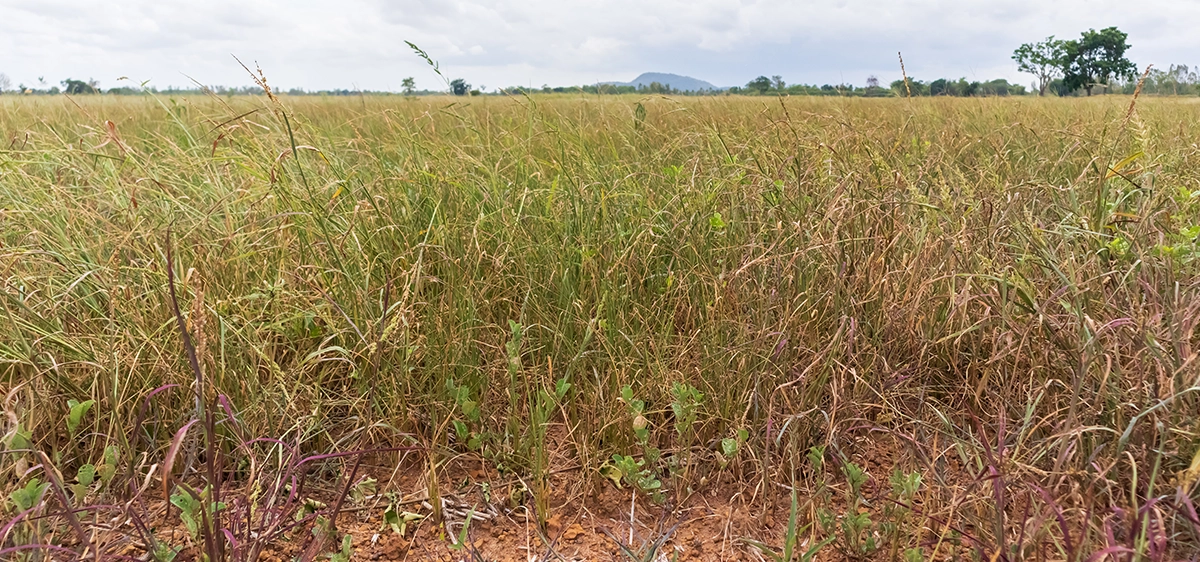
Many farms are dealing with little to no grass, very limited rainfall and difficulty rebuilding grass covers. Supplementary feeding is already underway on many farms, with some farmers in the worst affected areas having fed cows since early July.
The focus now needs to be on maintaining cow performance while managing increasingly valuable forage stocks.
But how do you know whether the current feeding programme is actually working?
The most important starting point is not simply looking at what cows are being offered. Farmers should also look closely at what the cows are telling them.
Use Milk Results to Assess Whether the Diet Is Working
Milk results can provide valuable information about how cows are responding to the current feeding programme.
With grass under pressure and cows becoming increasingly reliant on supplementary feed, there are several figures worth monitoring closely.
Milk Protein and Lactose
Milk protein and lactose can help indicate whether cows are receiving enough energy from the overall diet.
Where grass availability is limited, changes in these results can help identify whether the energy supplied through grass, forage and supplementary feed is sufficient to support the herd.
Rather than looking at either result in isolation, consider milk protein and lactose alongside milk yield, milk solids and the other available herd data.
Milk Urea
Milk urea can provide useful information about protein supply and the balance of the diet.
This becomes particularly relevant when drought conditions are affecting grass availability and additional feed sources are being introduced.
Monitoring milk urea can help assess whether the protein being supplied is appropriate for the current feeding programme.
Butterfat
Butterfat can also provide useful information about how the diet is working, particularly when fibre supply and rumen fermentation are concerns.
When cows are receiving less grazed grass and more supplementary feed, it is important to consider whether the overall diet is providing enough digestible fibre to support good rumen function.
The key is to look at milk protein, lactose, urea and butterfat together, rather than relying on one figure to assess the diet.
Watch Week-on-Week Milk Yield
Milk production will naturally change as the season progresses, but the rate at which yield is falling is important.
Specialist Nutrition highlights a week-on-week reduction of more than approximately 2.5% in milk yield as a significant drop. If production is falling faster than expected, it may indicate that cows are not receiving enough nutrition under the current conditions.
The objective should be to maintain both litres and milk solids for as long as possible rather than allowing cows to become progressively underfed while waiting for grass growth to recover.
A small drop in production may not seem significant, but repeated losses week after week can have a considerable impact on the overall value of the milk produced through the remainder of the season.
Don’t Assume Grass Is Meeting the Cow’s Requirements
Seeing cows out grazing does not necessarily mean they are consuming enough feed.
During prolonged dry weather, grass availability can become increasingly limited and the nutritional contribution of the grass can change. Farmers therefore need to look beyond whether cows have access to a paddock and consider how much dry matter they are actually consuming.
Dry matter is the portion of the plant that remains once the water has been removed. It contains the nutrients available to the cow, including fibre, protein and carbohydrates.
This is particularly important when grass is short. A paddock may still look green, but if there is not enough dry matter available for cows to consume, they may struggle to meet their requirements from grazing alone.
Regularly assessing grass covers and considering the amount of dry matter available can help farmers identify when supplementary feeding needs to increase.
When Is It Time to Introduce Additional Feed?
If milk yield is falling faster than expected and milk results indicate that cows are not receiving enough nutrition, it may be time to review the feeding programme.
Depending on the farm, this could mean introducing or increasing:
- Good-quality silage
- A TMR
- Other appropriate supplementary feeds
The aim is not simply to put more feed in front of the cows. Additional feed needs to fill the nutritional gap created by reduced grass availability.
This is where looking at the complete diet becomes important. The grass, silage, concentrates and any other feeds being offered all need to work together.
Getting the TMR Right
For farms introducing a TMR during periods of limited grass availability, ingredient selection and overall diet balance are particularly important.
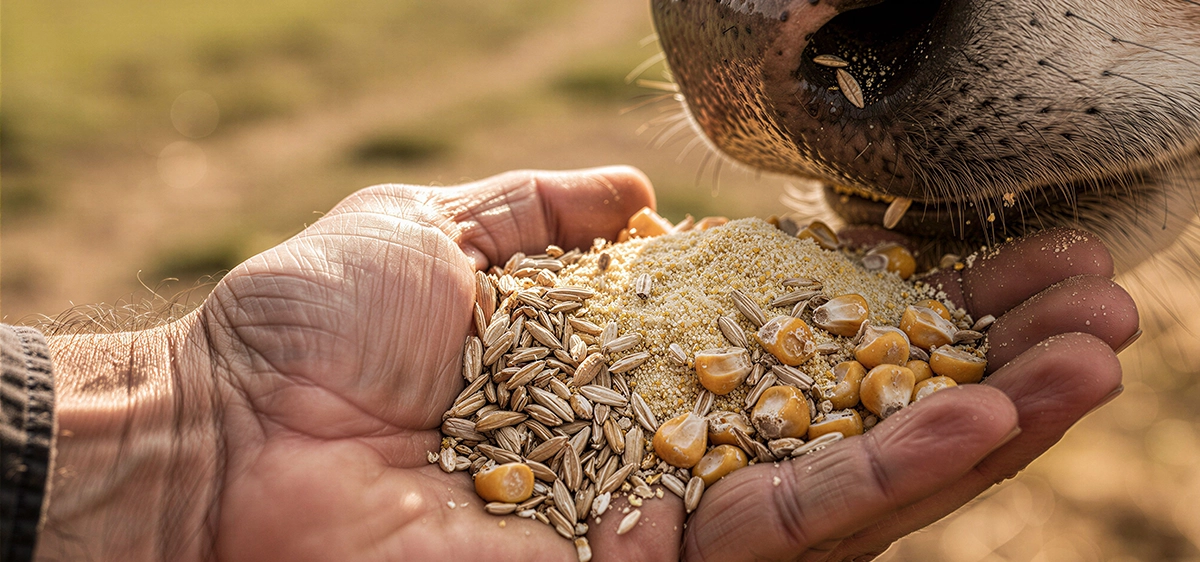
Specialist Nutrition recommends considering more slowly fermentable starch sources such as oats, barley and rye when formulating the ration.
Drought-stressed grass can also provide less energy and protein than cows require, so an additional protein source may need to be considered.
However, this will depend on what cows are already receiving. Milk urea results can provide useful information when assessing protein supply, while milk yield and milk solids can help show whether the overall diet is supporting production.
The goal should be to build the ration around the feeds actually available on the farm rather than relying on one standard feeding programme.
Make Sure Every Cow Can Access the Feed
Getting the ration right on paper is only part of the job.
When TMR feeding is introduced, farmers also need to consider feed access.
If there is insufficient feeding space or strong competition at the feed face, some cows may not consume enough of the ration even though the diet itself has been correctly formulated.
This can be particularly important in larger groups where dominant cows can control access to feed.
Making sure all cows have adequate access to the ration gives every animal a better opportunity to consume the nutrients being provided.
Don’t Forget About Water
Water is another essential part of the feeding programme, particularly during prolonged dry weather.
Some farms are already experiencing pressure on wells and water supplies, so availability and flow should be monitored closely.
A dairy cow requires approximately four litres of water for every litre of milk produced. Even as milk production naturally changes later in the season, the herd can still place considerable demand on the farm’s water system.
Farmers should check that:
- Cows have continuous access to sufficient water
- Troughs are filling quickly enough to meet demand
- Water flow is sufficient throughout the day
- All groups of cows can access water easily
Feed intake and water intake are closely linked. If water availability is restricted, this can also affect feed intake and ultimately cow performance.
Are You Using Winter Forage Earlier Than Planned?
There is another side to the current challenge: how much forage will be left for later in the year?
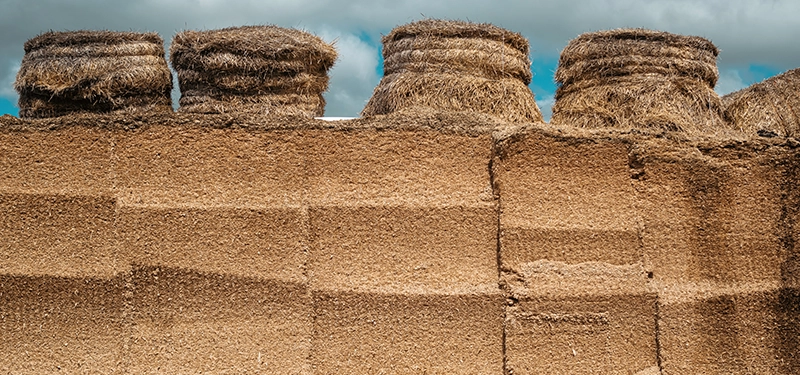
Supplementary feeding may be necessary to maintain cow performance now, but farmers also need to consider how much silage and other conserved forage will remain for the autumn and winter.
On some farms, cows have already been receiving additional forage since July. If dry conditions continue, forage stocks can disappear much faster than originally planned.
Now is the time to start planning and review what is actually available rather than waiting until cows are housed.
Calculate current silage and bale stocks, estimate how much will be required for the remainder of the grazing season and consider what will be needed for the winter.
It is also sensible to allow a reserve for unexpected additional feeding or a longer housing period. Specialist Nutrition’s fodder planning guidance recommends allowing a 10–20% reserve, with a 20% buffer preferable where possible.
Use Your Herd Data to Make Feeding Decisions
When feed stocks are becoming increasingly valuable, farmers need to make decisions based on the information available from their own herd.
Milk recording can help identify individual cow performance, while scanning results can show which cows are incalf and which are empty.
This information can help farmers assess whether certain cows are still delivering enough output to justify the feed being allocated to them, particularly where forage supplies are becoming tight.
For example, a lower-producing empty cow may require a different management decision from a high performing cow that is incalf.
This does not mean that every lower-producing or empty cow should automatically leave the herd. Instead, it means using the information already available to make informed decisions about where increasingly valuable feed should be allocated.
Don’t Wait for the Milk Tank to Tell You There Is a Problem
The longer dry conditions continue, the more important it becomes to monitor the herd closely.
Milk yield and milk solids can show whether production is being maintained. Milk protein, lactose, urea and butterfat provide additional information about how the current diet is working. Grass availability, dry matter intake, water access and forage stocks complete the picture.
Looking at all of these together allows farmers to identify problems earlier and make adjustments before cows come under significant nutritional pressure.
The objective is not simply to feed cows more. It is to provide the right nutrition, maintain performance and protect valuable forage stocks at the same time.
Need Advice on Your Dry Weather Feeding Programme?
If grass availability is becoming a concern on your farm, the Specialist Nutrition team can help you assess your current feeding programme and available forage.
From reviewing milk results and diet composition to planning supplementary feeding and managing forage stocks, the team can provide practical advice based on your individual farm situation.
For advice on dairy cow nutrition and managing grass and forage shortages, contact Specialist Nutrition today.