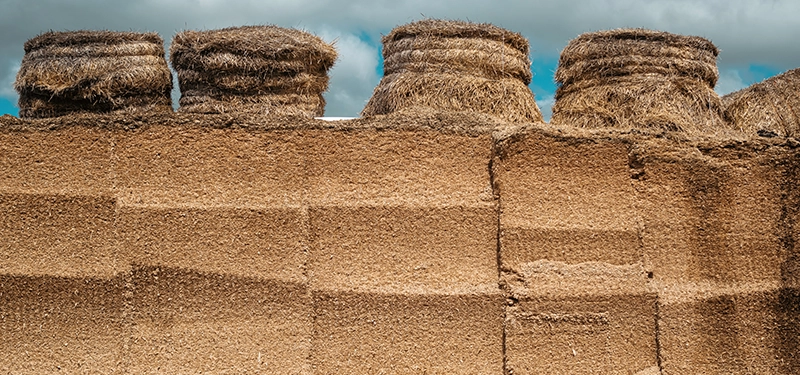
With winter approaching, now is the time to establish exactly how much fodder is available on the farm and whether it will be enough to meet the needs of the stock.
With around one third of farms surveyed in August reporting a fodder shortage for the winter ahead, completing a fodder budget should be a priority. There is no point waiting until later in the winter to discover that you are short of silage in the yard. Identifying your position now gives you more time to plan and address any potential shortfall.
Start by Calculating Winter Fodder Demand
The first step is to calculate how much silage will be needed over the winter.
This involves looking at:
- The number of animals on the farm
- The number of months they are expected to be housed
- The amount of silage required per animal each month
As a guide, the following monthly figures can be used when preparing a fodder budget:
| Stock type | Silage required per month |
| Dry cows | 1.6 tonnes |
| Suckler cows | 1.4 tonnes |
| Store cattle | 1 tonne |
| Weanlings | Approximately 0.75 tonnes |
To calculate total demand, multiply the number of animals by the expected number of feeding months and then by the monthly silage requirement.
Number of animals × number of winter months × monthly silage requirement = total silage demand
For example, if you have 20 store cattle and expect to feed them silage for five months, the estimated requirement would be:
20 animals × 5 months × 1 tonne = 100 tonnes of silage
Working out demand now will give you a clearer picture of how much fodder is needed before the winter feeding period gets underway.
Measure the Fodder You Actually Have
Once you have calculated how much silage your stock will need, you must establish how much fodder is actually available on the farm.
This means taking three practical steps:
- Measure the silage pits to establish how much silage is stored.
- Count the bales available in the yard.
- Add everything together to determine the total amount of silage available for the winter.
This will give you a realistic picture of the fodder currently in the yard, rather than relying on estimates.
You can then compare the total silage available with the amount required for the winter. If the available fodder is sufficient, you can move into the winter with greater confidence. If the figures show a deficit, it is important to identify that shortfall now rather than discovering it when winter feeding is already well underway.
Identify Any Fodder Shortfall Early
A fodder budget is most useful when it gives you time to act.
If the amount of silage in the yard will not meet the expected demand, the next step is to consider how the deficit will be addressed. Finding this out early gives you more time to plan, rather than having to make decisions when silage stocks are already running low.
The key is to know your fodder position before you are too far into the winter.
Know the Quality of Your Silage
Having enough silage is only part of winter fodder planning. It is also important to know the quality of the silage available.
Silage should be tested to establish its:
- Energy
- Protein
- Dry Matter Digestibility (DMD)
- Full mineral profile
Knowing the energy, protein, DMD and mineral profile of the silage in the yard is essential when planning the winter diet. It gives you a clearer understanding of the quality of the forage available and allows winter feeding decisions to be based on the silage you actually have.
Why a Full Mineral Profile Matters
When testing silage, it is worth getting a full mineral profile as well as the usual energy, protein and DMD analysis. Mineral content can vary significantly depending on soil type, fertiliser and slurry application, weather and harvest date.
A mineral analysis can identify shortages of important minerals and trace elements including:
- Magnesium
- Copper
- Selenium
- Iodine
- Cobalt
- Zinc
- Calcium
- Potassium
Avoid Mineral Deficiencies
Mineral deficiencies can affect herd performance in several ways, including fertility, conception, calf vigour, growth and immune function. Knowing the mineral content of the forage gives your nutritionist or adviser a clearer picture of what the silage is already supplying.
Make Mineral Supplementation More Targeted
Many farms use a standard mineral pack during the winter. However, silage analysis may show that some minerals are already being supplied adequately while others may be deficient.
Knowing what is already in the silage allows the mineral programme to be tailored to the actual forage being fed, rather than relying on a blanket approach. This can help avoid unnecessary supplementation while ensuring identified deficiencies are addressed.
Consider Fertility and Animal Health
Mineral status is particularly relevant when planning diets for breeding animals. Mineral imbalances can be associated with issues such as poor conception and increased calving intervals.
Trace elements also play an important role in animal health, including immunity, calf vigour, colostrum quality, growth and hoof health.
Pay Particular Attention to Dry and Transition Cows
Mineral analysis is especially important when planning diets for dry and transition cows.
These cows have specific requirements for potassium, magnesium and calcium, and knowing the mineral content of the silage helps identify potential issues before the feed is included in the diet.
For example, high-potassium silage can increase the risk of milk fever after calving, so knowing the potassium level before feeding gives your nutritionist or adviser important information when planning the dry-cow diet.
In simple terms, you cannot accurately balance the mineral contribution of a winter diet without knowing what is already in the silage.
Complete Your Winter Fodder Budget Now
The message is simple: do not wait until later in the winter to find out that you are short of fodder.
Calculate demand based on stock numbers and the expected feeding period. Then measure the silage pits, count the bales and establish how much fodder is available in the yard.
Finally, test the silage so that you know its energy, protein and DMD.
If the budget shows a deficit, identifying it now gives you more time to work out how to address it.
The Specialist Nutrition Feed Budget Calculator can help you assess the fodder available on the farm and compare it with expected requirements.
For help with your winter feeding plan, contact the Specialist Nutrition team today.